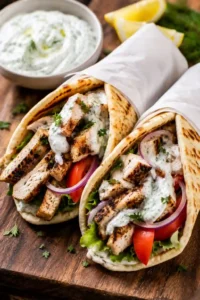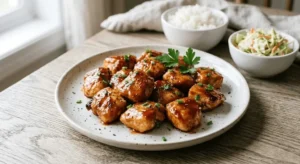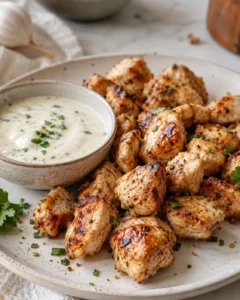
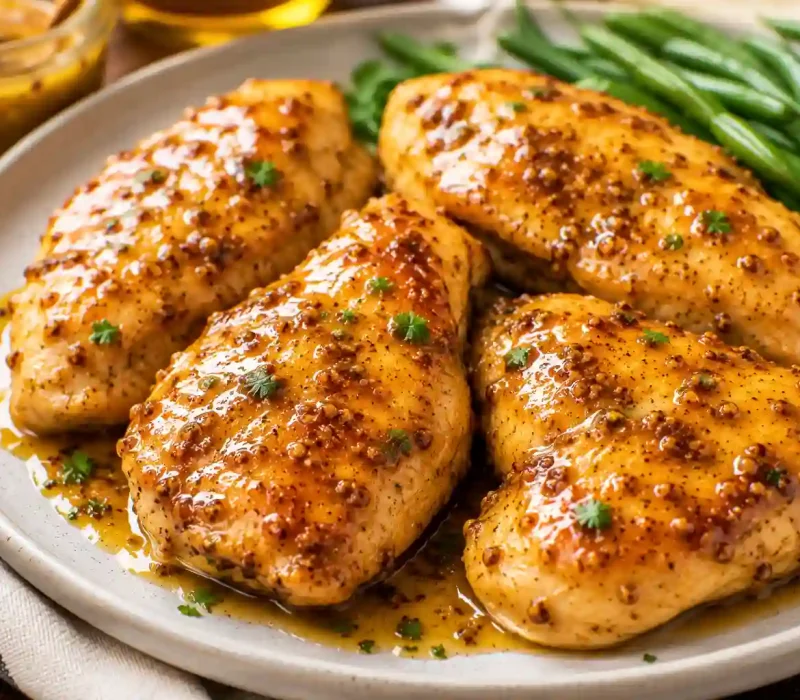
Honey Mustard Chicken Recipe is much better than many people expect. Some think it’s only a kids’ dipping sauce. Others have tried versions that burn on the outside while staying undercooked inside. However, both problems are easy to avoid. The secret is balancing sweet honey with tangy Dijon mustard. Because honey caramelizes quickly, it can burn before the chicken is fully cooked. Fortunately, the solution is simple. Cook the chicken over moderate heat and let it finish cooking gently. As a result, you’ll get juicy chicken with a rich, glossy glaze.
I make this recipe often because it’s both easy and reliable. Not only does the marinade add flavor, but it also helps keep the chicken tender. Then, as the chicken cooks, the marinade turns into a sticky, caramelized glaze. The method is simple. Whisk the ingredients, marinate the chicken, cook it, and let it rest. Finally, pay attention to the cooking temperature and choose the right cut of chicken. Those small details make the biggest difference.
Why You’ll Love This Recipe
- The marinade does double duty it tenderizes the chicken and becomes the glaze as it cooks.
- It’s genuinely quick, with active prep time well under 15 minutes.
- It works across cooking methods grill, bake, or pan sear, depending on what you’ve got going.
- It’s naturally kid friendly, sweet and tangy rather than spicy (though heat is easy to add).
- It’s a strong meal prep option, since it reheats well and pairs with almost any side.
- The ingredient list is short, and most of it is probably already in your kitchen.
What Is Honey Mustard Chicken?
Honey mustard chicken is chicken marinated (and often basted or glazed) in a mixture built primarily on honey and Dijon mustard, balanced with olive oil, garlic, and seasoning. The combination of honey mustard as a flavor pairing predates this particular chicken dish by a long way it’s a classic American condiment pairing found everywhere from dipping sauces to salad dressings, prized specifically because sweetness and sharp, vinegary mustard balance each other so well.
As a marinade, honey mustard works on two levels. The acidity in the mustard (and any vinegar or lemon juice in the mix) gently helps tenderize the chicken as it sits, similar to how other acidic marinades work, while the honey provides sugar that caramelizes under heat, creating that glossy, slightly sticky exterior the dish is known for. That caramelization is also exactly why honey mustard chicken is prone to burning if cooked over too high heat for too long the same sugar that makes the glaze so appealing scorches quickly once it crosses a certain temperature.
This dish is genuinely flexible in terms of cooking method. Grilling gives it a bit of char alongside the caramelized glaze baking is more forgiving and hands off and a stovetop, pan seared version (often finished with a bit of cream for a silkier sauce) turns it into more of a restaurant style skillet dinner. All three are legitimate, well established directions to take the same core marinade.
Ingredient Breakdown for Honey Mustard Chicken Recipe
Chicken (breasts, thighs, or drumsticks)
Boneless, skinless chicken thighs are the most forgiving cut, staying juicy even if slightly overcooked chicken breasts cook faster and need closer attention to avoid drying out. Bone in, skin on pieces work too, though they’ll need a longer, gentler cook time.
Honey
The defining sweetness of the marinade and glaze. Real honey (rather than a honey flavored syrup) gives the best flavor and caramelizes most reliably.
Dijon mustard
The tangy counterpart to the honey. Regular Dijon gives a smooth, sharp tang whole grain Dijon adds a bit of texture and a slightly milder, more rounded mustard flavor if you prefer that.
Olive oil
Helps the marinade coat the chicken evenly and adds moisture, which is especially useful for leaner cuts like chicken breast.
Garlic
Fresh minced or grated garlic adds aromatic depth garlic powder works as a reasonable substitute if that’s what’s on hand.
Mayonnaise (optional, but worth trying)
Not traditional in every version, but a spoonful whisked into the marinade genuinely helps the coating cling better and promotes deeper, more even browning, since mayo is largely oil and egg both of which aid browning under heat.
Cayenne pepper (optional)
A small amount adds background heat that balances the sweetness without making the dish spicy in any noticeable way.
Salt and black pepper
Essential for seasoning, since honey and mustard alone won’t season the chicken’s interior.
Fresh herbs (rosemary or thyme, optional)
A common addition in baked versions especially, adding an earthy note that rounds out the sweet tangy profile.
Equipment Needed for Honey Mustard Chicken Recipe
- A large bowl or resealable bag, for marinating
- A grill, oven, or large skillet, depending on your cooking method of choice
- A meat thermometer
- A basting brush, if you plan to add extra glaze during cooking
Step by Step Instructions for Honey Mustard Chicken Recipe
1. Make the marinade
In a large bowl, whisk together honey, Dijon mustard, olive oil, garlic, cayenne (if using), salt, and pepper until smooth. If using mayonnaise for extra browning, whisk it in now as well.
2. Marinate the chicken
Add the chicken to the marinade, turning to coat every piece evenly. Cover and refrigerate for at least 30 minutes, up to several hours for deeper flavor. Avoid marinating much longer than about 8 hours, since the acidity in the mustard can start to affect the chicken’s texture if left too long.
3a. If grilling
Preheat the grill to medium heat (not high) this is the step most home cooks skip, and it’s the main reason honey mustard chicken burns on the outside before cooking through. Grill for about 6 to 8 minutes per side, turning once, until the internal temperature reaches 165°F. Keep a close eye on it, since the sugar in the glaze can go from perfectly caramelized to burnt quickly.
3b. If baking
Preheat the oven to 375–400°F. Place the marinated chicken on a parchment lined baking sheet, spooning a bit of extra marinade over the top if you have it reserved. Bake for 20 to 30 minutes, depending on the cut and thickness, until the internal temperature reaches 165°F.
3c. If pan searing
Heat a bit of olive oil in a skillet over medium heat (not high, for the same burning reason as grilling). Sear the chicken for about 5 to 7 minutes per side, until golden and cooked through. For a creamier, skillet sauce version, remove the chicken once seared, deglaze the pan with a splash of chicken broth, then whisk in extra honey and Dijon along with a splash of cream before returning the chicken to finish in the sauce.
4. Rest before serving
Regardless of cooking method, let the chicken rest for 5 to 10 minutes before slicing or serving. This keeps the juices inside rather than running out immediately, especially important with leaner cuts like chicken breast.
Expert Tips for Best Results
- Cook over medium heat, not high. Because the marinade is honey based, it caramelizes and burns much faster than a plain savory marinade moderate, steady heat is what gives you a glossy glaze instead of a blackened exterior.
- Try adding a spoonful of mayonnaise to the marinade. It sounds unusual, but it genuinely helps the coating cling and promotes deeper, more even browning.
- Don’t marinate longer than necessary. Thirty minutes to a few hours is the sweet spot much longer and the acidity in the mustard can start affecting the chicken’s texture.
- Use a thermometer, especially for chicken breast. The glossy glaze can make it hard to judge doneness by color alone.
- Reserve a little extra marinade before adding raw chicken if you want something to baste with or drizzle at the end just don’t reuse marinade that’s already touched raw chicken.
Common Mistakes to Avoid
- Cooking over heat that’s too high. The honey in the marinade burns quickly at high temperatures, leading to a scorched exterior well before the chicken finishes cooking through.
- Marinating for too long. Past several hours, the acidity in the mustard can start to break down the chicken’s texture rather than simply tenderizing it.
- Reusing raw marinade as a basting or serving sauce. Always set aside a clean portion before adding raw chicken to the rest.
- Skipping the thermometer. A caramelized glaze can look fully cooked on the outside well before the chicken is actually done inside.
- Using very lean chicken breast without extra moisture. Without the mayo trick or a bit of extra oil, lean breast meat is more prone to drying out under high, direct heat.
- Not letting the chicken rest before serving. Cutting in immediately releases juices that would otherwise redistribute back through the meat.
Variations and Customizations
- Creamy honey mustard chicken: pan sear cutlets, then build a skillet sauce with chicken broth, extra honey and Dijon, and a splash of heavy cream for a silkier, restaurant style dinner.
- Herbed version: add fresh rosemary or thyme to the marinade for a more herbaceous, savory leaning flavor, especially good for a baked version.
- Spicy honey mustard chicken: increase the cayenne, or add a dash of hot sauce or curry powder for a different kind of heat and depth.
- Breaded honey mustard chicken: dredge chicken in flour, dip in a honey mustard mixture, then coat in panko breadcrumbs before pan frying for a crispy, glazed crust.
- Grilled with a fruit pairing: serve alongside a peach or stone fruit salad dressed with the reserved marinade for a bright, summery meal.
- Low sugar version: reduce the honey slightly and add a touch more Dijon and a splash of apple cider vinegar to keep the tangy balance without as much sweetness.
- Whole grain mustard swap: use whole grain Dijon in place of smooth Dijon for extra texture and a slightly milder mustard bite.
Storage Instructions
Let leftovers cool before transferring to an airtight container. Store in the refrigerator for up to 3 days. For longer storage, cooked chicken freezes well for up to 3 months in an airtight, freezer safe container.
Reheating Instructions
Reheat gently in a covered dish in a 300°F oven, or in a skillet over medium low heat, to avoid drying the chicken out with high, fast heat. Microwaving works in short intervals, though the texture holds up better with oven or stovetop reheating.
Frequently Asked Questions
Why does honey mustard chicken burn so easily?
Honey caramelizes and browns much faster than plain savory marinades because of its sugar content. Cooking over high heat causes the exterior to scorch before the chicken finishes cooking through, which is why medium heat and closer attention are especially important with this marinade.
Can I use a different cut of chicken?
Yes. Chicken breasts, thighs, or drumsticks all work well with this marinade. Thighs tend to stay juicier and are more forgiving of slightly longer cook times, while breasts cook faster but need closer attention to avoid drying out.
Does adding mayonnaise to the marinade actually make a difference?
Yes, genuinely. A spoonful of mayonnaise helps the marinade cling more evenly to the chicken and promotes deeper, more consistent browning, since mayo’s oil and egg content both aid in browning under heat.
How long should I marinate honey mustard chicken?
At least 30 minutes for light flavor, up to a few hours for more depth. Avoid marinating much longer than about 8 hours, since the acidity from the mustard can start to affect the chicken’s texture if left too long.
Can I make this recipe creamy instead of a dry glaze?
Yes. Pan sear the chicken, then build a sauce in the same skillet using chicken broth, extra honey and Dijon, and a splash of heavy cream, returning the chicken to finish cooking in the sauce for a richer, restaurant style version.
How do I keep the chicken from drying out?
Use a meat thermometer to avoid overcooking, choose a cut like thighs if you tend to overcook chicken, and consider adding a spoonful of mayonnaise or a bit of extra olive oil to the marinade to help lock in moisture, especially with leaner chicken breast.
Can I reuse the marinade as a sauce?
Not the portion that’s touched raw chicken. Always set aside a separate, untouched portion of the marinade before adding raw chicken to the rest if you want something to baste with or drizzle over the finished dish.
What’s the best way to cook honey mustard chicken grilled, baked, or pan seared?
All three work well and are commonly used the choice mostly comes down to preference and what equipment you have. Grilling adds char alongside the glaze, baking is the most hands off, and pan searing allows for an optional creamy sauce version.
How long does honey mustard chicken keep in the fridge?
Stored in an airtight container, it keeps for up to 3 days in the refrigerator. Reheat gently at moderate heat to help preserve moisture and avoid drying the chicken out.
Can I freeze honey mustard chicken?
Yes. Once fully cooled, store it in an airtight, freezer safe container for up to 3 months. Thaw in the refrigerator overnight and reheat gently in the oven or a skillet.
Final Thoughts
Honey mustard chicken earns its long standing popularity honestly sweet and tangy in a way that’s genuinely well balanced, not cloying. The one thing worth remembering above everything else is heat control: because the marinade is sugar heavy, moderate, steady heat is what turns it into a glossy glaze instead of a burnt one. Get that right, and this becomes one of the easiest, most reliable dinners you can make on repeat.
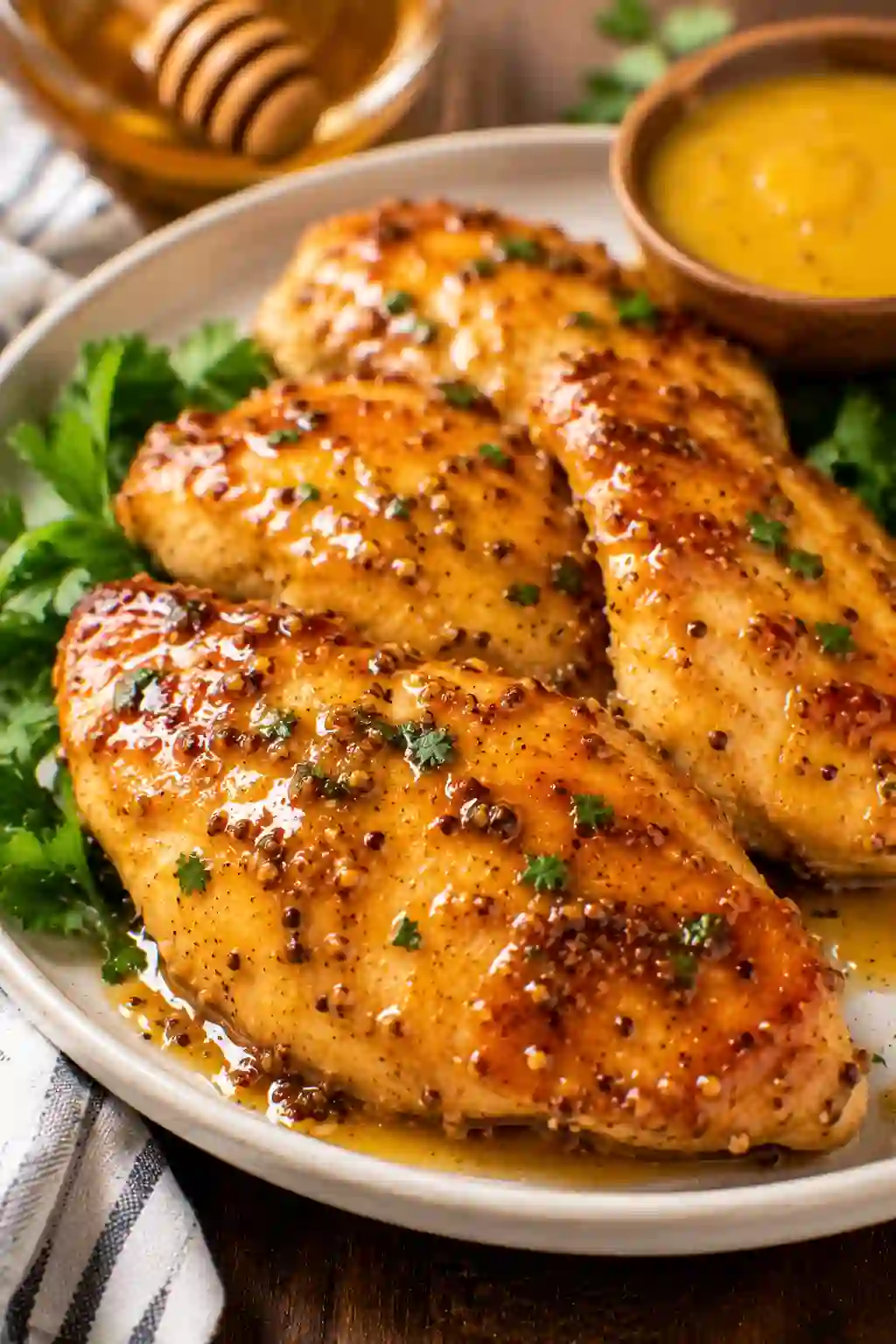
Honey Mustard Chicken
Notes
Ingredients
- 1.5 lbs boneless, skinless chicken breasts or thighs
- 3 tablespoons honey
- 3 tablespoons Dijon mustard (or whole grain Dijon)
- 2 tablespoons olive oil
- 1 tablespoon mayonnaise (optional, for browning)
- 2 cloves garlic, minced or grated
- ¼ teaspoon cayenne pepper (optional)
- Salt and black pepper, to taste
Instructions
- Whisk together honey, Dijon mustard, olive oil, mayonnaise (if using), garlic, cayenne, salt, and pepper in a large bowl.
- Add chicken and turn to coat evenly. Cover and refrigerate for at least 30 minutes, up to a few hours.
- Let chicken rest 5–10 minutes before slicing or serving.
Notes
- Cook over medium heat, not high the honey in the marinade burns easily at high temperatures.
- A spoonful of mayonnaise in the marinade helps the coating cling and promotes better browning.
- Don’t marinate longer than about 8 hours, since the mustard’s acidity can affect the chicken’s texture over time.
Storage
Refrigerate leftovers in an airtight container for up to 3 days, or freeze for up to 3 months. Reheat gently to preserve moisture.Nutrition Estimate (per serving, approximate)
Calories: 320 | Protein: 32g | Fat: 14g | Carbohydrates: 16g | Sodium: 480mgNutrition values are estimates and will vary based on specific ingredients, cuts, and cooking method used.