This post contains affiliate links. As an Amazon Associate, I earn from qualifying purchases at no extra cost to you.
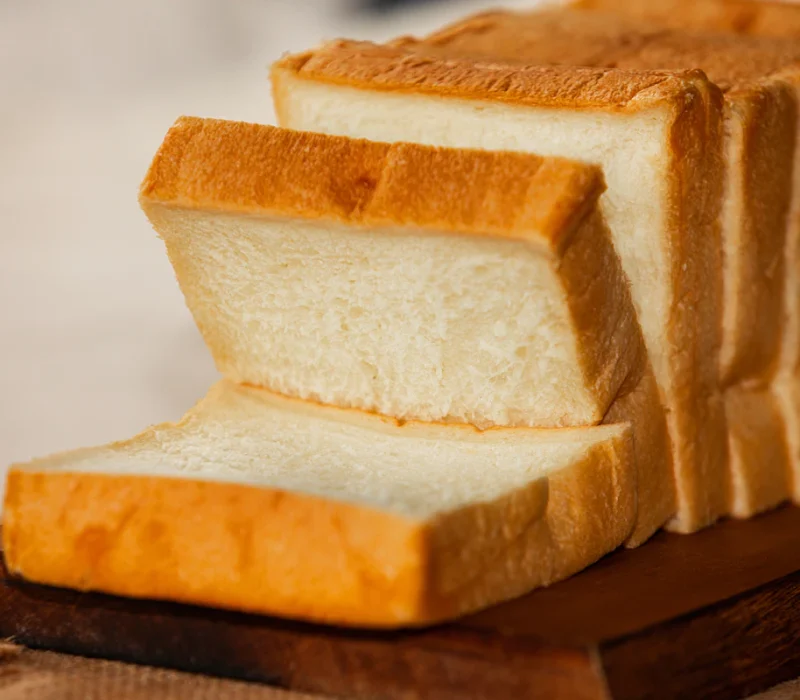
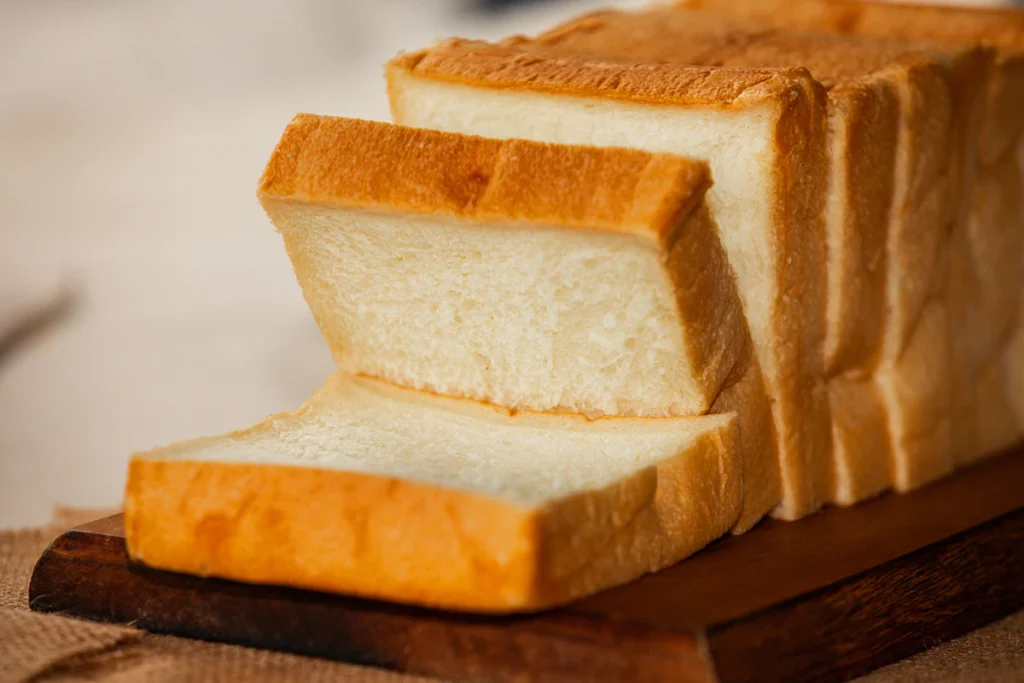
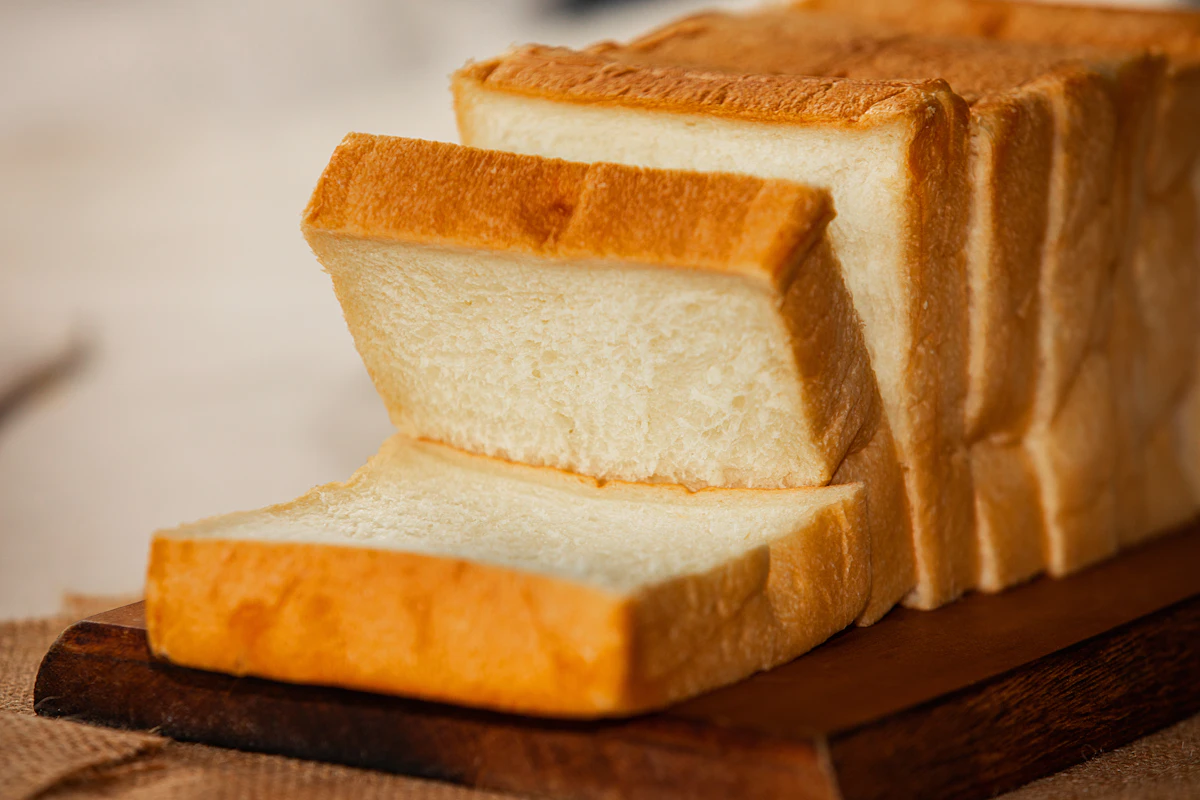
Jump to RecipeThis cottage cheese protein bread is the loaf I make when I want real sandwich bread without yeast, kneading, or waiting for dough to rise. Blended cottage cheese and eggs give it a soft, tight crumb and a golden, lightly crisp crust, and every slice carries about 9 grams of protein. You mix it in one bowl in five minutes, and the oven handles the rest.
It toasts beautifully, holds up to a runny egg, and makes a surprisingly good grilled cheese. If you’ve been curious about the cottage cheese bread all over Pinterest, this is a reliable place to start.
How Does Cottage Cheese Bread Rise Without Yeast?
It rises with baking powder, just like banana bread or muffins. That makes it a quick bread: the baking powder releases gas as soon as it meets the wet ingredients and again in the heat of the oven, so there’s no proofing or kneading. If you’re curious, here’s what makes a quick bread different from a yeasted loaf.
The cottage cheese does three jobs at once. It adds protein, it keeps the crumb moist for days, and its slight tang gives the bread a subtle sourdough-like flavor. The eggs add structure so the loaf slices cleanly instead of crumbling.
Why this recipe works
- Blended cottage cheese gives a smooth, even crumb with no wet pockets.
- Three eggs provide lift and protein and help the bread hold together for sandwiches.
- A spoonful of honey helps the crust brown and balances the tang.
- Olive oil keeps it tender without making it greasy.
Ingredients for Cottage Cheese Protein Bread
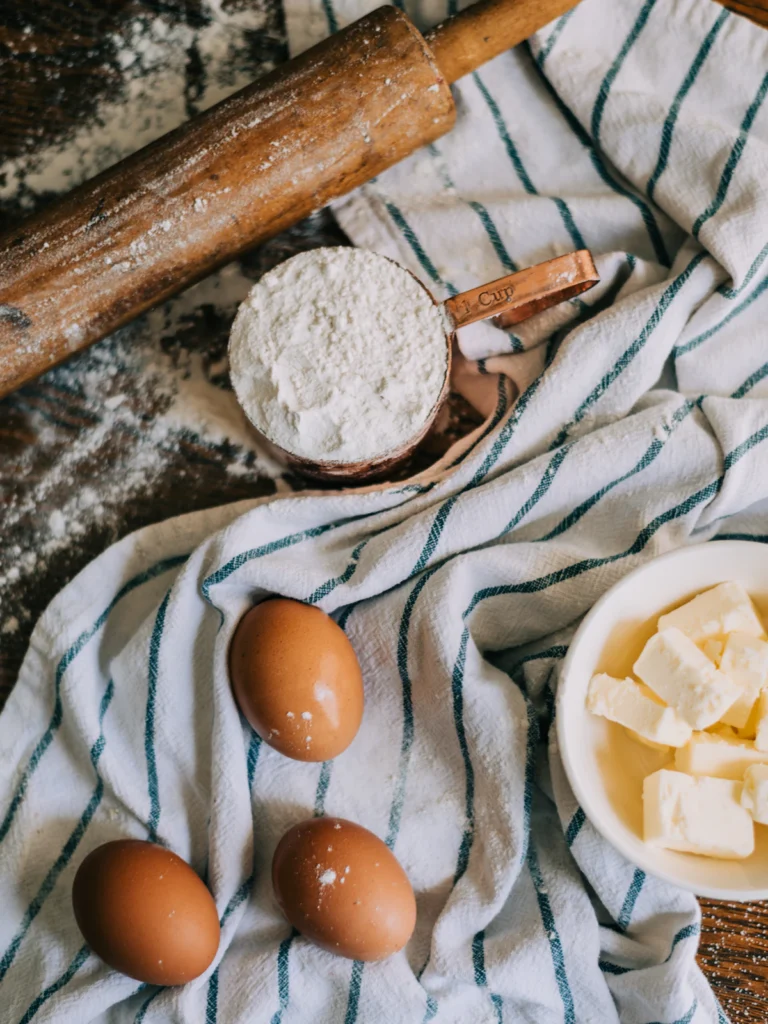
Wet
- 1½ cups (340 g) cottage cheese, 2% or 4%
- 3 large eggs, room temperature
- ½ cup (120 ml) milk
- 2 tablespoons olive oil
- 1 tablespoon honey
Dry
- 2½ cups (300 g) all-purpose flour, spooned and leveled
- 1 tablespoon baking powder
- 1 teaspoon salt
Optional topping
- 1 tablespoon everything bagel seasoning, sesame seeds, or rolled oats
Ingredient notes
Cottage cheese: 2% or 4% both work well. Nonfat makes a drier, slightly rubbery loaf. Don’t drain it; the liquid is part of the recipe’s moisture.
Flour: All-purpose flour gives the softest result. For more fiber, replace up to half with white whole wheat flour and add 2 extra tablespoons of milk.
Baking powder: It must be fresh. Old baking powder is the most common reason this bread comes out dense and flat.
Substitutions
| Swap | Instead of | Result |
|---|---|---|
| White whole wheat flour (half) | All-purpose | Nuttier, more fiber, slightly denser |
| Greek yogurt | Cottage cheese | Same protein, a bit tangier |
| Melted butter | Olive oil | Richer flavor, softer crust |
| Maple syrup | Honey | Same browning, subtler sweetness |
| Gluten-free 1:1 flour blend | All-purpose | Works; bake 5–10 minutes longer |
Equipment
- 9 x 5-inch loaf pan. A light metal pan gives even browning. Glass pans bake slower, so add 5–10 minutes.
- Blender or small food processor for blending the cottage cheese smooth.
- Serrated bread knife. Cuts clean, thin slices without squashing the soft crumb.
How to Make Cottage Cheese Protein Bread
Step 1: Prep the pan
Preheat the oven to 375°F (190°C). Grease a 9 x 5-inch loaf pan and line it with a strip of parchment that hangs over the long sides, so you can lift the loaf out later.
Step 2: Blend the wet ingredients
Add the cottage cheese, eggs, milk, olive oil, and honey to a blender. Blend for 30 seconds until smooth and creamy, with no visible curds. It should look like a thick, pale milkshake.
Step 3: Whisk the dry ingredients
In a large bowl, whisk the flour, baking powder, and salt so the baking powder is evenly spread through the flour.
Step 4: Mix the dough
Pour the wet mixture into the dry and stir with a spatula just until there are no dry pockets of flour. The dough will be thick, sticky, and spreadable, somewhere between a batter and a bread dough. Don’t overmix, or the bread will turn tough.
Step 5: Shape and top
Scrape the dough into the pan and smooth the top with a wet spatula. Run a knife lengthwise down the center about ½ inch deep; this helps the loaf rise evenly with a nice split top. Sprinkle with seasoning or seeds if you like.
Step 6: Bake
Bake for 50–60 minutes, until the top is deep golden and the loaf sounds hollow when you tap it. If it’s browning too quickly, cover it loosely with foil after 35 minutes. The most reliable test is an instant-read thermometer: the center should read 200–205°F, in line with King Arthur’s quick bread doneness temperatures.
Step 7: Cool completely
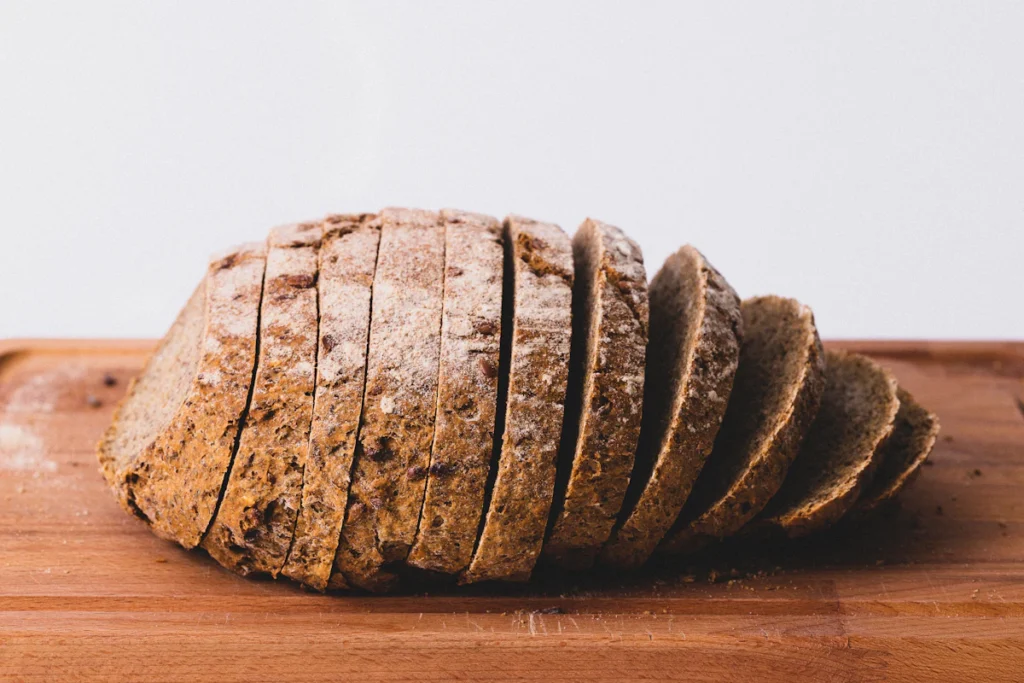
Cool in the pan for 10 minutes, then lift it out and let it cool on a rack for at least 1 hour before slicing. Cutting it warm makes the center gummy. I know it’s hard to wait. It’s worth it.
Should You Blend the Cottage Cheese?
Blend it if you want a smooth, even crumb that looks and slices like sandwich bread. Leave it unblended if you like little pockets of soft, cheesy curds throughout the loaf. Both work. Blending also makes the bread a little taller, since the batter traps air more evenly. For toast and sandwiches, I always blend; for a rustic loaf to tear and dip in soup, I sometimes skip it.
Tips for a Soft, Tall Loaf
- Measure flour by weight. 300 g is the sweet spot. Too much flour makes a dry, heavy loaf.
- Use room-temperature eggs. They blend more smoothly and help the bread rise evenly.
- Get it in the oven fast. Baking powder starts working immediately, so don’t let the dough sit.
- Score the top. A shallow cut down the middle gives a pretty split and prevents random cracks.
- Cool fully before storing. Wrapping it warm traps steam and makes the crust soggy.
Troubleshooting
| Problem | Likely Cause | Fix |
|---|---|---|
| Dense and flat | Old baking powder; overmixed | Use fresh baking powder; stir just until combined |
| Gummy center | Underbaked or sliced warm | Bake to 200–205°F; cool 1 hour |
| Dry and crumbly | Too much flour; nonfat cottage cheese | Weigh flour; use 2% or 4% |
| Top too dark | Honey browning; oven runs hot | Tent with foil after 35 minutes |
| Cracked unevenly | Top not scored | Cut a ½-inch line down the center before baking |
Flavor Variations
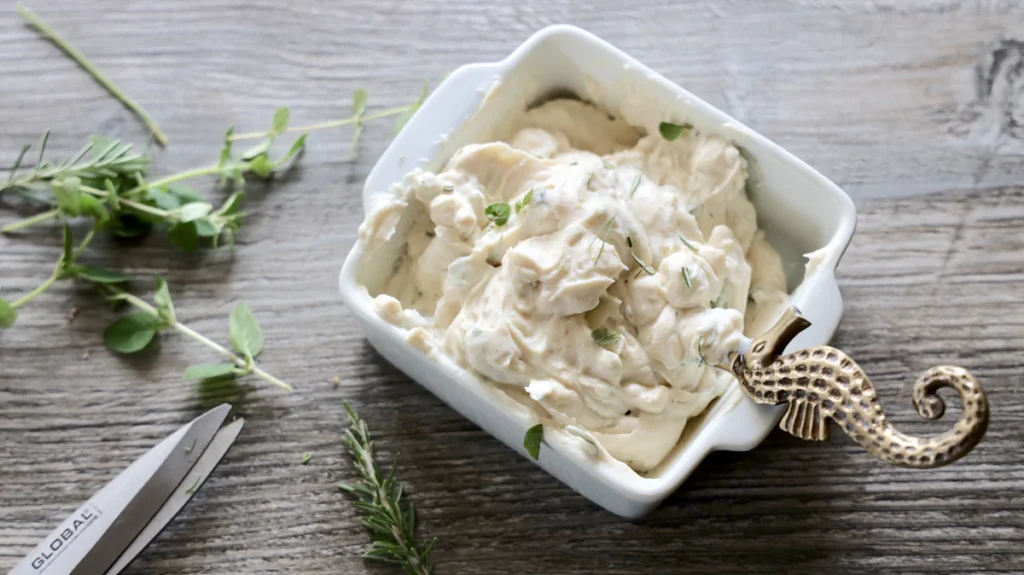
- Garlic herb: Add 1 teaspoon garlic powder and 1 tablespoon Italian herbs to the dry ingredients. Serve warm with homemade garlic butter spread.
- Cheddar jalapeño: Fold in ¾ cup shredded sharp cheddar and 1 minced jalapeño.
- Everything bagel: Mix 1 tablespoon seasoning into the dough and sprinkle more on top. Toasted and spread with honey whipped feta dip, it tastes like a bakery bagel.
- Cinnamon raisin: Add 1 teaspoon cinnamon, 2 extra tablespoons honey, and ½ cup raisins.
- Extra protein: Replace ⅓ cup of the flour with unflavored whey protein and add 2 tablespoons milk. It adds about 3 grams of protein per slice.
Best Ways to Eat It
- Toasted with smashed avocado and a fried egg.
- Topped with a jammy soft-boiled egg and chili crisp for a weekend breakfast.
- As sandwich bread for an egg salad sandwich filling or turkey and cheese.
- Spread with ricotta, sliced tomatoes, and a drizzle of olive oil.
- Grilled into a cheese sandwich and dunked in a bowl of creamy roasted tomato soup.
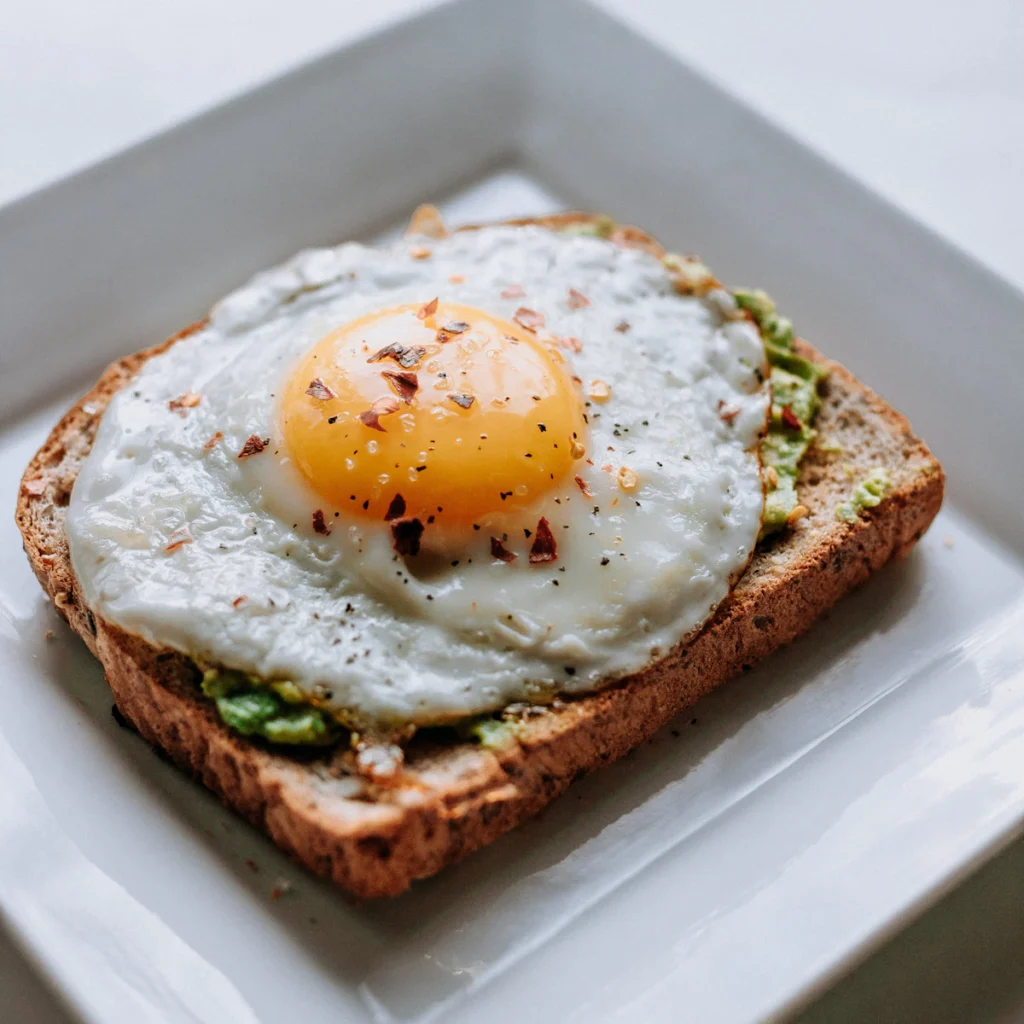
Cottage Cheese Bread vs. Regular Sandwich Bread
Cottage cheese bread has roughly two to three times the protein of a typical slice of white sandwich bread, with a simpler ingredient list and no added preservatives. The trade-off is a shorter shelf life and a slightly denser, moister crumb.
| Cottage Cheese Bread | Typical White Sandwich Bread | |
|---|---|---|
| Protein per slice | About 9 g | About 2–4 g |
| Yeast | None | Yes |
| Hands-on time | 5 minutes | Store-bought |
| Texture | Soft, tight, moist crumb | Light, airy, springy |
| Shelf life | 1 day out, 5 days refrigerated | About a week at room temperature |
| Best for | Toast, grilled cheese, open-faced sandwiches | Soft stacked sandwiches |
If you’ve never baked bread before, this is one of the easiest places to start. There’s no yeast to proof, no kneading, and no special equipment. The dough goes from bowl to pan in about five minutes, and the only real skill involved is waiting for it to cool before you slice. Once you’ve made it a couple of times, you’ll probably find yourself making it every week, and playing with flavors like garlic herb or cinnamon raisin.
One small habit that helps: slice the whole loaf once it’s cool and freeze half right away. Frozen slices go straight into the toaster, so you always have a high protein base for breakfast ready in minutes.
How to Store Cottage Cheese Bread
Room temperature and fridge
Because it’s made with dairy and eggs, store it wrapped at room temperature for no more than 1 day, then move it to the fridge, where it keeps for up to 5 days. Chilled slices firm up; a quick toast brings them right back.
Can you freeze it?
Yes. Slice the cooled loaf, place parchment between slices, and freeze in a freezer bag for up to 3 months. Toast slices straight from frozen; there’s no need to thaw.
How Much Protein Is in Each Slice?
Each of 10 slices has about 9 grams of protein and 195 calories. The protein comes from the cottage cheese, eggs, milk, and flour. For comparison, a slice of standard white sandwich bread usually has 2 to 4 grams, so two slices of this bread give you a solid protein head start at any meal. Cut the loaf into 8 thicker slices and each one lands around 11 grams.
Frequently Asked Questions
Does cottage cheese bread taste like cottage cheese?
No. Once baked, it tastes like a soft, slightly tangy white bread, a bit like a mild sourdough. The cottage cheese disappears into the crumb, especially if you blend it first.
Can I make cottage cheese bread without eggs?
You can, but the loaf will be denser and more crumbly. Replace the 3 eggs with ¾ cup extra milk and add ½ teaspoon baking soda. It works best for toast rather than sandwiches.
Why is my cottage cheese bread gummy in the middle?
It’s usually underbaked or sliced before it cooled. Bake until the center reaches 200–205°F, then let it cool on a rack for at least an hour. The steam inside needs time to settle before you cut.
Can I make this in a bread machine?
Only if your machine has a quick bread or cake setting, since there’s no yeast. Add the wet ingredients first, then the dry, and use the quick bread cycle. Results vary by machine, so the oven is more reliable.
Is cottage cheese bread healthy?
It’s a higher-protein, lower-sugar alternative to many store-bought breads, with about 9 grams of protein per slice and simple ingredients. Using part whole wheat flour adds more fiber. As with any bread, portion size still matters.
Your New Everyday Loaf
This cottage cheese protein bread has earned a permanent spot in my kitchen because it’s so easy: blend, stir, bake. No yeast, no kneading, and a soft loaf that toasts beautifully and keeps you fuller than regular bread. Start with the plain version, then try garlic herb or cheddar jalapeño. If you bake it, leave a rating and tell me what you topped your first slice with.
Nutrition Information
Estimated nutrition per serving (1 of 10 slices):
| Nutrient | Amount |
|---|---|
| Calories | 195 kcal |
| Protein | 9 g |
| Carbohydrates | 27 g |
| Fat | 5 g |
| Fiber | 1 g |
Nutrition values are estimates calculated from standard ingredient data and will vary with the brands and exact amounts you use.
Cottage Cheese Protein Bread
Ingredients
Method
- Preheat the oven to 375°F (190°C). Grease a 9 x 5-inch loaf pan and line with a parchment sling.
- Blend the cottage cheese, eggs, milk, olive oil, and honey 30 seconds until smooth.
- Whisk the flour, baking powder, and salt in a large bowl.
- Stir the wet mixture into the dry just until no dry flour remains.
- Spread in the pan, score a ½-inch line down the center, and add topping.
- Bake 50–60 minutes until deep golden and 200–205°F in the center, tenting with foil after 35 minutes if needed.
- Cool 10 minutes in the pan, then at least 1 hour on a rack before slicing.