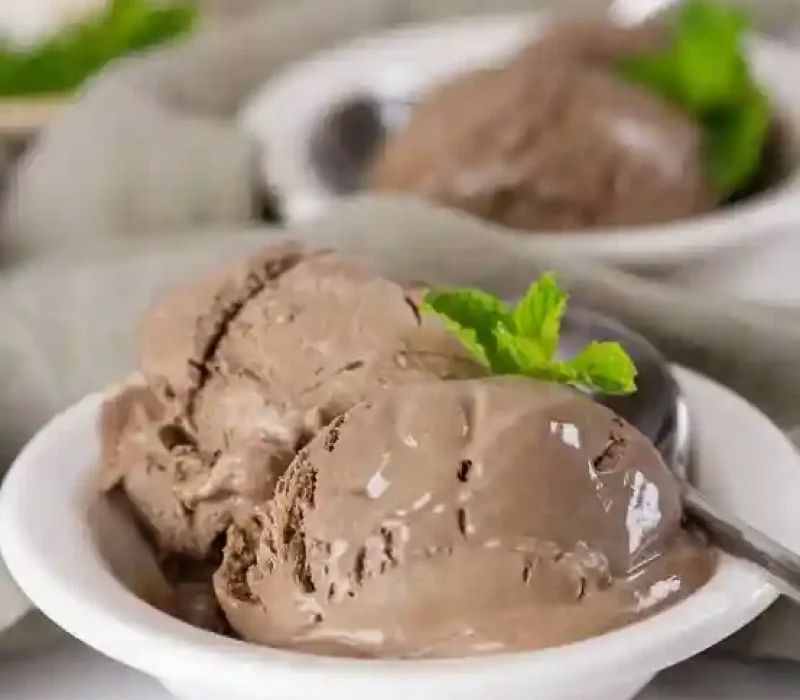
No churn hojicha ice cream is a whipped cream and condensed milk base flavored with roasted Japanese green tea powder, no machine needed.
Hojicha throws people off the first time they try it expecting something like matcha. It’s not green, not grassy, and not bitter, it’s roasted, toasty, and faintly caramel, closer in spirit to a light coffee ice cream than anything else green tea flavored. This version skips the ice cream maker entirely: whipped cream stands in for churning, and sweetened condensed milk does the job a custard base usually does. The whole thing comes together in about 15 minutes of active work, then the freezer takes over.
KEY TAKEAWAYS
- The base ratio that works reliably is 2 cups heavy cream to one 14 ounce can of sweetened condensed milk, with 3 to 4 tablespoons of hojicha powder depending on how strong you want the flavor
- Sift the hojicha powder or whisk it with a splash of cream first, adding it straight to a big bowl of whipped cream almost always leaves gritty clumps
- The condensed milk isn’t just for sweetness, its high sugar content is what keeps this scoopable instead of freezing into a solid block
- Fold gently once the cream is whipped, stirring too hard knocks the air back out and leaves you with a denser, icier result
- Press plastic wrap directly against the surface before freezing, this one step does more to prevent ice crystals than almost anything else
A Short History of Hojicha
Hojicha’s origin is unusually specific for a tea with such a long standing place in Japanese daily life. According to Wikipedia, the process of making hojicha was discovered by accident in 1920, when a Kyoto tea merchant had unsaleable bancha (a lower grade green tea) on hand and roasted it, creating an entirely new flavor in the process.
That roasting is what gives hojicha its reddish brown color and toasty, nutty character, along with noticeably less bitterness than unroasted green teas. It also lowers the caffeine content compared to matcha or sencha, one reason hojicha has traditionally been considered a gentler, everyday tea in Japan rather than an occasion only one.
Why This Recipe Works
No churn ice cream skips the machine by getting its texture from two things instead: whipped air and dissolved sugar. America’s Test Kitchen explains that a traditional ice cream maker churns the base while it freezes specifically to stop large ice crystals from forming and to work air into the mixture.
Whipping the cream beforehand does the air part of that job, and the high sugar concentration in sweetened condensed milk does the rest, dissolved sugar lowers the freezing point of the mixture, which is exactly why this stays soft and scoopable straight out of the freezer instead of turning into a solid block. Hojicha powder, rather than brewed tea, keeps this working in your favor twice over: it adds concentrated flavor without adding extra water that would otherwise dilute that careful sugar balance.
Ingredient Notes
Hojicha powder: Look for a culinary grade powder that’s finely ground and deep reddish brown, with a toasty rather than dusty smell. Powder blends into a no churn base far more easily than brewed tea or loose leaves, which add extra water you don’t want here.
Heavy cream: Use it cold, straight from the fridge. Cold cream whips faster and holds a more stable structure than cream that’s started to warm up.
Sweetened condensed milk: This isn’t interchangeable with evaporated milk, which looks similar but lacks the sugar concentration that keeps this ice cream soft. Don’t substitute it for the concentration to work as intended.
Vanilla and salt: Both are optional but worth including in small amounts, vanilla rounds out the roasted flavor, and a pinch of salt keeps the whole thing from tasting flat.
How to Make No Churn Hojicha Ice Cream
Step 1: Disperse the hojicha powder. Sift the hojicha powder into a small bowl, or whisk it with a couple tablespoons of the cream until smooth. This step matters more than it looks like, adding dry powder straight into a full bowl of whipped cream is the most common way to end up with gritty flecks in the finished ice cream.
Step 2: Whip the cream. In a chilled bowl, whip the cold heavy cream to soft peaks. Add the dispersed hojicha mixture and continue whipping to stiff peaks. Stop as soon as the peaks hold their shape, overwhipping at this stage can turn the texture grainy.
Step 3: Fold in the condensed milk. In a separate bowl, whisk together the sweetened condensed milk, vanilla, and salt. Fold this into the whipped hojicha cream gently, in two or three additions, just until no streaks remain. Folding, not stirring, keeps you from knocking the air back out of the cream.
Step 4: Taste and adjust. If you want a stronger tea flavor, dissolve an extra teaspoon of hojicha powder in a small splash of warm water and fold it in now, rather than adding more dry powder directly.
Step 5: Freeze. Pour the mixture into a loaf pan or another freezer safe container. Press a piece of plastic wrap directly against the surface before covering, this keeps air off the top and is the single best way to prevent a crunchy, ice crystal covered layer from forming. Freeze for at least 6 hours, or overnight for the best texture.
Common Problems and Fixes
| Problem | Likely Cause | Fix |
| Gritty or sandy texture | Hojicha powder wasn’t dispersed before mixing | Sift the powder or whisk it with a little cream first, never add it dry straight into whipped cream |
| Ice cream froze rock hard | Evaporated milk used instead of sweetened condensed milk, or too little condensed milk | Use sweetened condensed milk specifically; don’t reduce the amount in the recipe |
| Dense, less airy texture | Cream was overmixed or folded too aggressively | Whip just to stiff peaks; fold in the condensed milk gently rather than stirring |
| Icy crust formed on top after a few days | Container wasn’t sealed tightly, or plastic wrap wasn’t pressed to the surface | Press plastic wrap directly against the ice cream’s surface before adding the lid |
| Tea flavor tasted weak | Not enough hojicha powder, or a lower quality powder used | Start with the full amount and adjust up with a small dissolved powder addition; use a high quality culinary grade hojicha |
Storage and Food Safety
This is a no cook dessert made from pasteurized dairy products, so there’s no raw egg or cooking step to worry about, just standard frozen dessert storage. Keep it tightly covered, with plastic wrap pressed against the surface, in the coldest part of your freezer. It’s at its best within the first week or two; after that, ice crystals gradually start to form and the texture becomes noticeably icier, even if it’s still fine to eat.
Variations to Try
- Dairy free: Full fat coconut cream (the solid portion, whipped) and a dairy free sweetened condensed milk alternative both work, though texture and sweetness will vary by brand
- Stronger roast flavor: Steep loose leaf hojicha in part of the cream, strain, and cool completely before whipping, for a gentler, more infused flavor than powder alone
- Swirl ins: A ribbon of caramel or a handful of crushed cookies folded in just before freezing both work well against hojicha’s toasty flavor
- No condensed milk: A base built around Greek yogurt and honey instead gives a lighter, tangier result, though it needs its own separate ratio rather than a direct swap
This pairs beautifully as a scoop alongside cake. Our Olive Oil Cake with Brown Butter Frosting and Best Carrot Cake Bars both have the kind of warm, spiced flavor that plays well against a toasty, roasted tea ice cream.
Serving Suggestions
Scoop straight from the freezer after a short bench rest, 5 minutes or so makes it easier to scoop cleanly. It’s a natural match for a slice of warm cake or a simple cookie on the side, the contrast of warm and cold, roasted and sweet, is the whole appeal.
Frequently Asked Questions
Does hojicha ice cream contain caffeine?
Yes, but less than matcha or regular green tea. Hojicha’s roasting process reduces its caffeine content, so a scoop of this ice cream has a relatively small amount compared with a coffee or matcha based dessert.
Do I need an ice cream maker?
No, this no churn method relies entirely on whipped cream for aeration and sweetened condensed milk to keep it scoopable, no machine required.
Can I use brewed hojicha tea instead of powder?
You can, but it adds extra water to the base, which can make the texture icier. If you want that gentler flavor, steep loose leaf hojicha in the cream and strain it out rather than adding a separate cup of brewed tea.
Why is my hojicha ice cream gritty?
The powder almost certainly wasn’t fully dispersed before mixing. Sift it or whisk it with a little cream into a smooth paste before combining with the rest of the whipped cream.
Can I substitute evaporated milk for the condensed milk?
No, evaporated milk doesn’t have the sugar concentration that keeps no churn ice cream soft. It will freeze noticeably harder and lack the same creamy texture.
How long does this keep in the freezer?
It’s best within the first 1 to 2 weeks. After that, ice crystals gradually build up and the texture gets icier, though it’s still safe to eat well beyond that.
Conclusion
This comes down to two things working together: whipped air standing in for a churn, and sweetened condensed milk’s sugar content keeping the whole thing soft enough to scoop. Disperse the hojicha powder properly, fold gently instead of stirring, and press plastic wrap right against the surface before it goes in the freezer. Get those three details right and you’ll have a genuinely creamy, scoopable ice cream with zero special equipment.
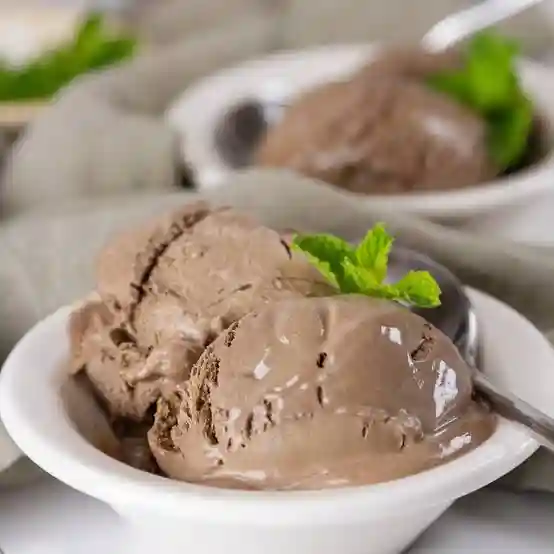
No Churn Hojicha Ice Cream
Notes
- 2 cups (480ml) cold heavy cream
- 3 to 4 tbsp hojicha powder, sifted
- 1 can (14 oz / 396g) sweetened condensed milk
- 1 tsp vanilla extract
- Pinch of salt
- Sift the hojicha powder into a small bowl, or whisk it with 2 tablespoons of the cream until smooth.
- Whip the cold heavy cream in a chilled bowl to soft peaks. Add the dispersed hojicha mixture and whip to stiff peaks.
- In a separate bowl, whisk together the sweetened condensed milk, vanilla, and salt.
- Gently fold the condensed milk mixture into the whipped hojicha cream in 2 to 3 additions, just until no streaks remain.
- Taste and adjust, dissolving extra hojicha powder in a splash of warm water and folding it in if you want a stronger flavor.
- Pour into a loaf pan or freezer safe container. Press plastic wrap directly against the surface, then cover.
- Freeze at least 6 hours, ideally overnight, before scooping.