This post contains affiliate links. As an Amazon Associate, I earn from qualifying purchases at no extra cost to you.
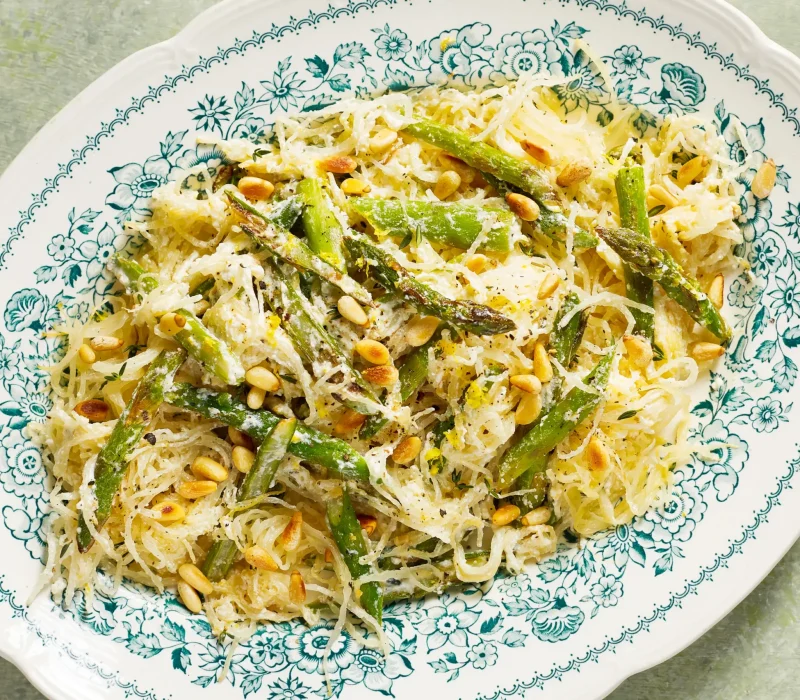
Jump to RecipeThis lemony ricotta spaghetti squash with asparagus is a light, bright and satisfying dinner that is naturally gluten free and low carb. Roasted spaghetti squash strands are tossed with creamy ricotta seasoned with lemon juice, lemon zest, garlic and fresh thyme, then folded together with tender roasted asparagus and finished with crunchy toasted pine nuts. It tastes like a fresh spring pasta, but it is packed with vegetables.
Most of the cooking happens in the oven, so there is very little hands on time. Serve it as a vegetarian main or as a side dish with grilled chicken or fish. If you like fresh, veggie forward meals, try my stir fry zucchini noodles or pair this with baked penne with chicken and broccoli for a family dinner with something for everyone.
Why You Will Love This Spaghetti Squash
- Naturally gluten free and low carb. Spaghetti squash stands in for pasta.
- Bright and fresh. Lemon and thyme keep the ricotta sauce light.
- Protein rich. Creamy ricotta adds protein and richness.
- Mostly hands off. The squash and asparagus roast in the oven.
- Main or side. Delicious on its own or next to grilled protein.
Ingredients You Will Need
Exact amounts are in the recipe card below.
For the spaghetti squash and asparagus
- Spaghetti squash: one medium squash, about 3 pounds, makes four servings.
- Asparagus: one bunch, trimmed and cut into 2 inch pieces.
- Olive oil: for roasting.
- Garlic: adds savory depth.
- Kosher salt and black pepper.
For the lemon ricotta
- Whole milk ricotta: creamy and mild, the perfect base.
- Lemon juice and zest: brighten everything.
- Fresh thyme: earthy and fragrant.
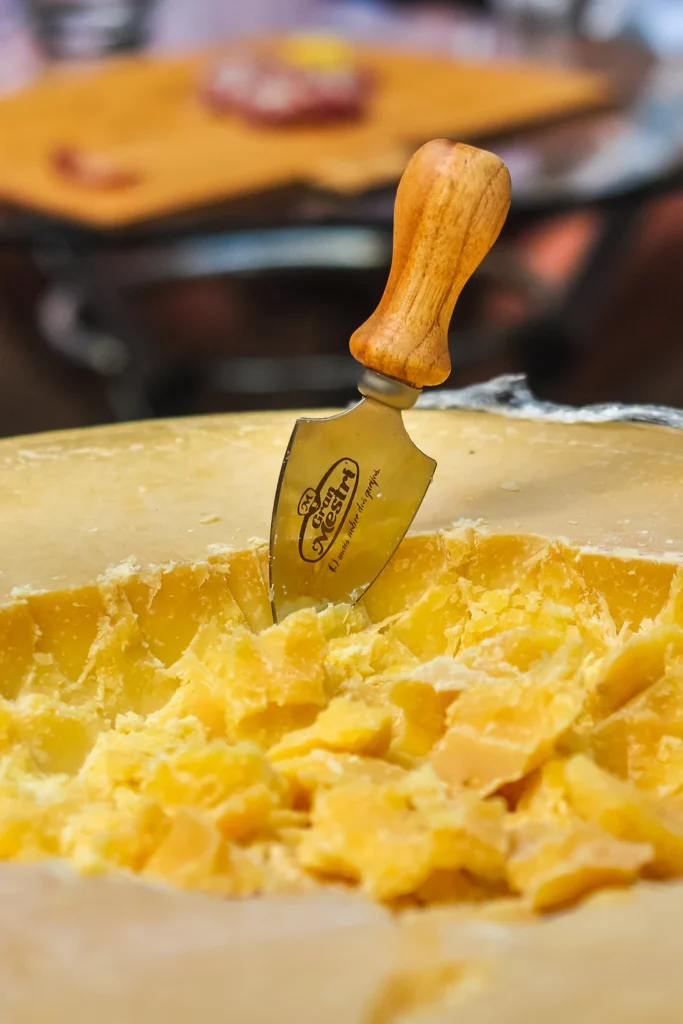
- Parmesan cheese (optional): adds a salty, nutty finish.
For topping
- Toasted pine nuts: for crunch and nutty richness.
- Fresh basil or parsley.
How to Make Lemony Ricotta Spaghetti Squash
1. Roast the spaghetti squash
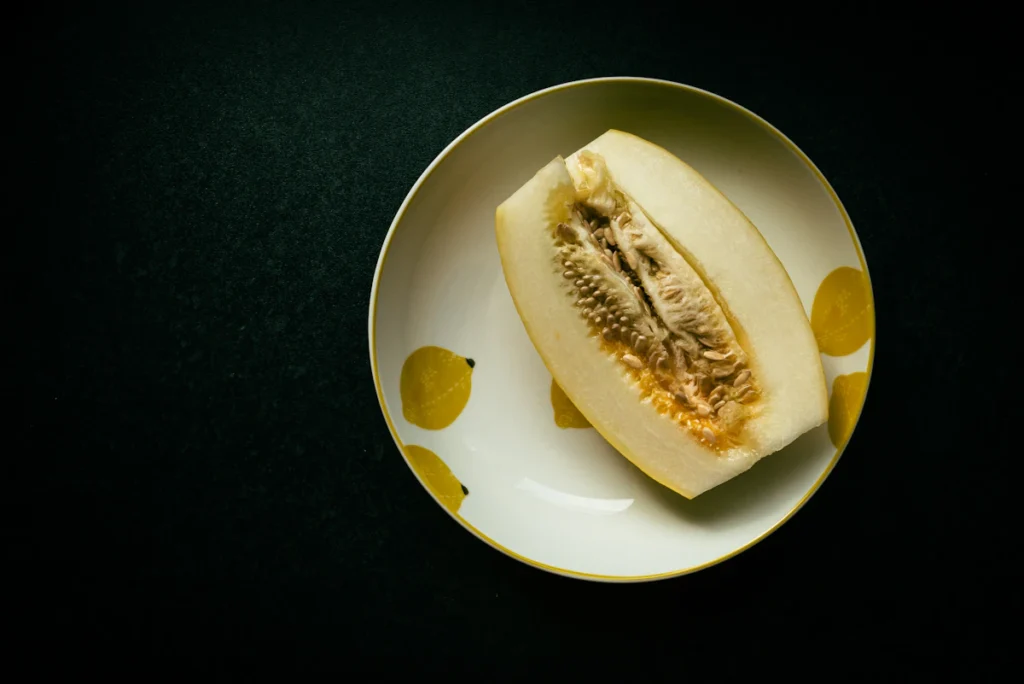
Preheat the oven to 400°F. Carefully cut the spaghetti squash in half lengthwise with a sharp chef knife and scoop out the seeds. Brush the cut sides with olive oil and season with salt and pepper. Place cut side down on a parchment lined sheet pan and roast for 35 to 45 minutes, until the flesh is tender and pulls into strands easily with a fork.
2. Roast the asparagus
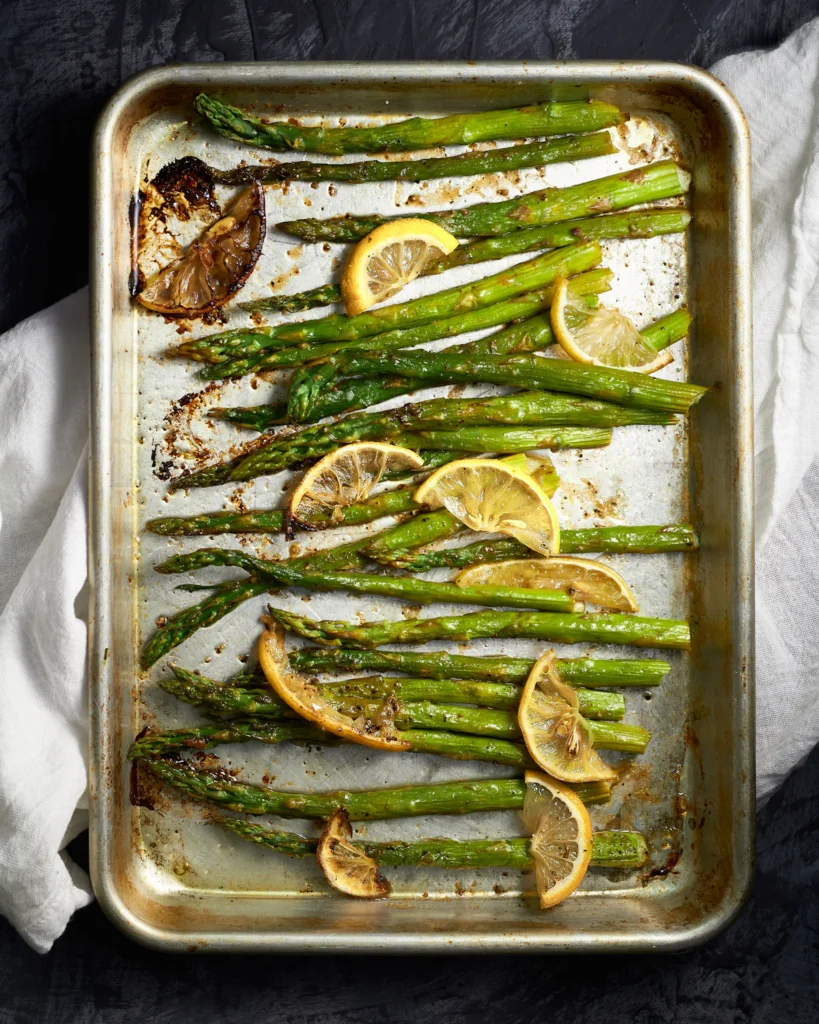
During the last 12 to 15 minutes of roasting, toss the asparagus pieces with olive oil, minced garlic, salt and pepper and spread them on a second sheet pan. Roast until tender crisp and lightly browned.
3. Make the lemon ricotta
In a mixing bowl, stir together the ricotta, lemon juice, lemon zest, fresh thyme leaves, a pinch of salt and pepper and Parmesan if using. Taste and add more lemon if you like it brighter.
4. Shred and combine
Let the squash cool for 5 minutes, then use a fork to scrape the flesh into long spaghetti like strands. Transfer the strands to a large bowl, add the ricotta mixture and roasted asparagus and toss gently until coated.
5. Toast the pine nuts and serve
Toast the pine nuts in a dry skillet over medium heat for 2 to 3 minutes, shaking the pan, until golden and fragrant. Sprinkle them over the squash with fresh basil and extra lemon zest.
Tips for the Best Spaghetti Squash
- Roast cut side down. This steams the flesh and makes it tender and easy to shred.
- Do not overcook. Overcooked squash turns mushy instead of forming strands.
- Salt the squash. Seasoning before roasting brings out its natural sweetness.
- Drain excess moisture. If your squash is watery, let the strands sit in a colander for a few minutes.
- Toast the pine nuts carefully. They go from golden to burnt quickly.
How to Cut Spaghetti Squash Safely
Spaghetti squash has a hard shell that can be tricky to cut. To make it easier, pierce the squash in a few places with a knife and microwave it for 3 to 5 minutes to soften the skin slightly. Let it cool enough to handle. Place it on a damp towel on your cutting board so it does not slide, then carefully slice off the stem end to create a flat surface. Stand it upright and cut down through the middle.
Use a large, sharp knife and keep your fingers well away from the blade. Scoop out the seeds and stringy center with a spoon. You can roast the seeds like pumpkin seeds for a crunchy snack.
Spaghetti Squash Nutrition
Spaghetti squash is a great alternative to pasta if you are looking for a lighter meal. One cup of cooked squash has about 42 calories and 10 grams of carbohydrates, compared with about 200 calories and 40 grams of carbohydrates in a cup of cooked spaghetti.
It also provides fiber, vitamin C, vitamin B6 and potassium. Ricotta adds protein and calcium, and asparagus brings folate, fiber and vitamin K. Each serving of this dish has about 280 calories and is naturally gluten free and vegetarian.
Easy Variations
- Add protein: top with grilled chicken, shrimp or salmon.
- Spinach and peas: fold in baby spinach and green peas in spring.
- Cherry tomatoes: roast cherry tomatoes with the asparagus for sweetness.
- Pesto ricotta: stir a spoonful of basil pesto into the ricotta.
- Dairy free: use a plant based ricotta alternative.
- Nut free: top with toasted pumpkin seeds or breadcrumbs instead of pine nuts.
What Is Spaghetti Squash?
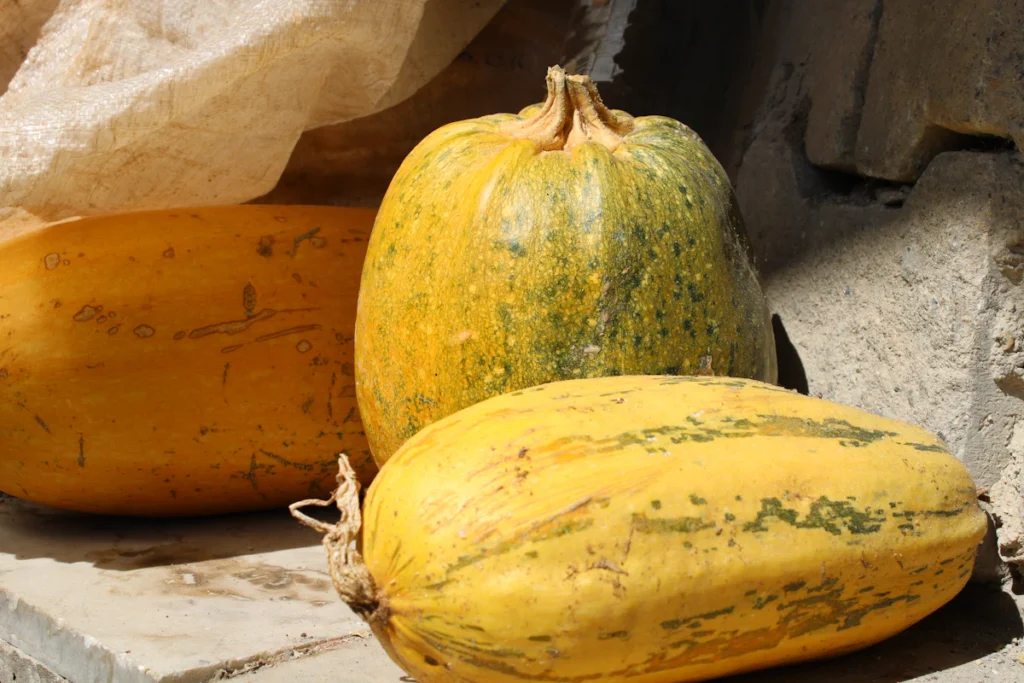
Spaghetti squash is a winter squash with a pale yellow, oval shell and a mild, slightly sweet flavor. What makes it unique is its flesh. Once cooked, it separates into long, thin, noodle like strands when you drag a fork through it, which is how it earned its name. The texture is tender with a gentle crunch, and it takes on the flavor of whatever you pair it with, much like pasta.
Spaghetti squash is available year round but is at its best in fall and winter. Choose a squash that feels heavy for its size, with firm, evenly colored skin and no soft spots or cracks. Whole squash keeps for up to a month in a cool, dry place.
Why Lemon Ricotta Works So Well
Ricotta is a fresh Italian cheese with soft, creamy curds and a mild, slightly sweet taste. On its own it can feel a little plain, but lemon and herbs transform it. Lemon zest brings fragrant citrus oils, lemon juice adds brightness and a touch of acidity, and fresh thyme adds an earthy, woodsy aroma. Garlic from the roasted asparagus ties everything together. When tossed with warm spaghetti squash, the ricotta softens and becomes a light, creamy sauce that clings to every strand without being heavy.
It is the same idea as classic Italian lemon ricotta pasta, just lighter and full of vegetables. For an even creamier sauce, stir a tablespoon of olive oil or a splash of the squash cooking juices into the ricotta.
Meal Prep Tips
This dish is a smart choice for healthy lunches. Roast two squashes at once on the weekend and store the strands in the fridge for up to 4 days. Prepare the lemon ricotta and keep it in a separate container, and roast the asparagus fresh or reheat it briefly. When you are ready to eat, warm the squash, fold in the ricotta and asparagus and add a sprinkle of pine nuts. Adding a portion of grilled chicken or chickpeas makes it even more filling.
Common Mistakes to Avoid
- Roasting cut side up. The squash dries out instead of steaming tender.
- Underseasoning. Squash needs salt to bring out its flavor.
- Adding ricotta to a very watery squash. Drain it first so the sauce stays creamy.
- Overcooking asparagus. It should stay bright green and tender crisp.
What to Serve With Spaghetti Squash
As a main dish, serve it with a crisp green salad and crusty bread. As a side, it pairs well with roasted chicken, grilled salmon, shrimp or pork chops. For a fuller Italian inspired dinner, add my oven baked chicken breast.
Storage and Reheating
- Refrigerator: store leftovers in glass meal prep containers for up to 3 days. Store pine nuts separately to keep them crunchy.
- Reheating: warm gently in a skillet or microwave. The ricotta will soften and become creamier.
- Make ahead: roast the squash up to 3 days ahead and store the strands in the fridge.
Frequently Asked Questions
Can I use frozen or pre cut spaghetti squash?
Yes. If using frozen, thaw and drain the excess liquid before mixing with the ricotta.
Can I sauté the asparagus instead of roasting?
Absolutely. Sauté it in olive oil for 5 to 7 minutes until tender crisp.
Can I cook spaghetti squash in the microwave?
Yes. Microwave a halved squash cut side down in a dish with a little water for 10 to 12 minutes.
Is this recipe keto friendly?
It is low carb. Spaghetti squash has fewer carbs than pasta, though it is not zero carb.
How do I know when spaghetti squash is done?
A fork should easily pierce the skin and pull the flesh into long strands.
Why is my spaghetti squash watery?
It may be overcooked. Drain the strands in a colander and pat dry before tossing.
Final Thoughts
Lemony ricotta spaghetti squash with asparagus is a fresh, colorful and wholesome meal that feels just as comforting as pasta. The bright lemon ricotta, tender roasted vegetables and crunchy pine nuts come together in a dish that is perfect for spring evenings, meatless Mondays or any night you want something light and satisfying.
Nutrition Per Serving
| Nutrient | Amount |
|---|---|
| Calories | 280 kcal |
| Protein | 12 g |
| Carbohydrates | 24 g |
| Fat | 16 g |
| Saturated Fat | 6 g |
| Fiber | 5 g |
| Sugar | 9 g |
| Sodium | 420 mg |
Nutrition values are estimates calculated from standard ingredient data and will vary with the brands and exact amounts you use.
Lemony Ricotta Spaghetti Squash with Asparagus
Ingredients
Method
- Preheat the oven to 400°F. Halve the squash, remove the seeds, brush with oil and season. Roast cut side down 35 to 45 minutes.
- Toss the asparagus with oil, garlic, salt and pepper and roast for the last 12 to 15 minutes.
- Mix the ricotta, lemon juice, zest, thyme, salt, pepper and Parmesan.
- Shred the squash into strands and toss with the ricotta and asparagus.
- Toast the pine nuts and sprinkle over the top with fresh herbs.