This post contains affiliate links. As an Amazon Associate, I earn from qualifying purchases at no extra cost to you.
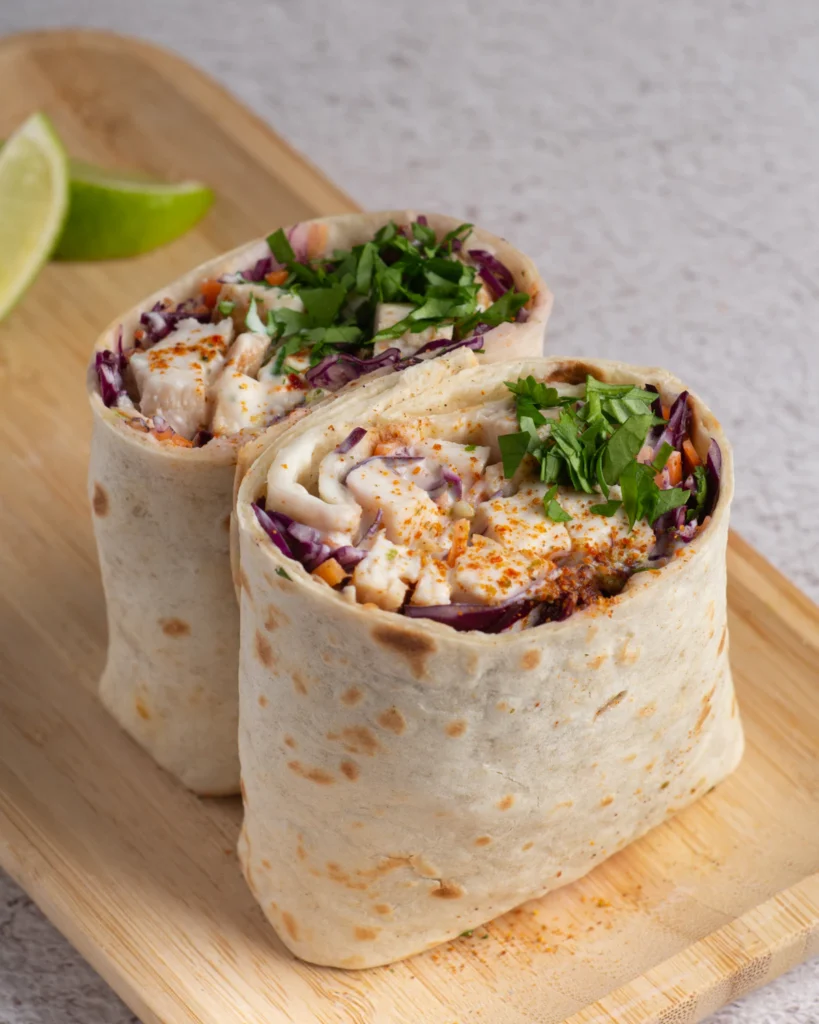
Jump to RecipeThis high protein cottage cheese flatbread takes two ingredients, one blender, and about 30 minutes, and it bakes into a soft, bendy wrap with roughly 19 grams of protein per serving. I’ve made it more times than I can count, and the difference between a sturdy flatbread and a soggy one comes down to three things: full-fat cottage cheese, an even quarter-inch spread, and patience while it cools. Get those right and you’ll have a low-carb wrap that folds around chicken salad, crisps up for pizza night, and holds together in a lunchbox.
Why Does This Cottage Cheese Flatbread Work So Well?
It works because eggs and cottage cheese are both protein-heavy, and when they bake together the egg proteins set around the blended curds like a thin, flexible custard. No flour, no yeast, no kneading.
- Full-fat curds mean less water. 4% cottage cheese holds its moisture better than nonfat, so the flatbread sets instead of weeping.
- Blending smooth gives an even bake. Lumpy batter leaves wet pockets. A fully smooth batter browns evenly from edge to center.
- Parchment does the heavy lifting. It lets you peel the flatbread off in one piece without greasing the pan.
- The macros are hard to beat. About 180 calories, 19 g protein, and 4 g carbs per half. If you’re building a week of high protein breakfast ideas, this slots right in.
Here’s the part most recipes skip: the flatbread keeps cooking as it cools. Pull it at deep golden, let it rest a full 10 minutes, and the center firms up on its own. Peel it hot and it tears.
What Is Cottage Cheese Flatbread?
Cottage cheese flatbread is a flourless, high protein wrap made by blending cottage cheese with eggs, spreading the batter thin, and baking until set. It went viral on TikTok and Pinterest because it swaps a tortilla for something with triple the protein and a fraction of the carbs.
Texture-wise, think of it as a cross between a thin omelet and a crepe. It’s tender and a little chewy, not bready. Once you accept that, it’s one of the most useful things you can keep in the fridge.
Ingredients and What Each One Does
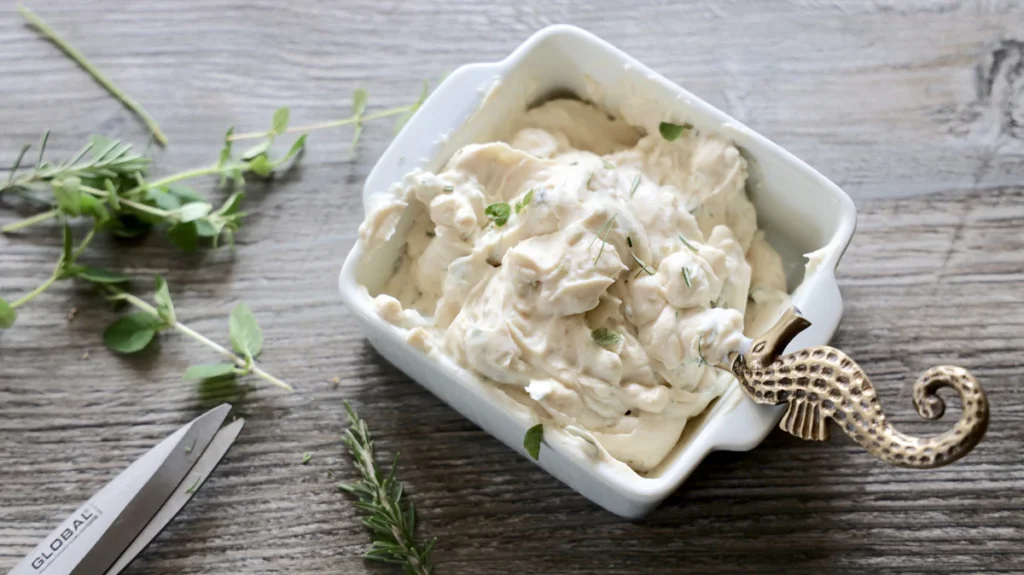
Cottage cheese (1 cup / 225 g)
Use full-fat (4%) small-curd cottage cheese. It’s the backbone of the recipe, giving body, tang, and most of the protein. If you’re curious how cottage cheese forms, it’s fresh curds with some whey and cream mixed back in. That whey is exactly why watery brands cause trouble. If your tub has a pool of liquid on top, pour it off before measuring.
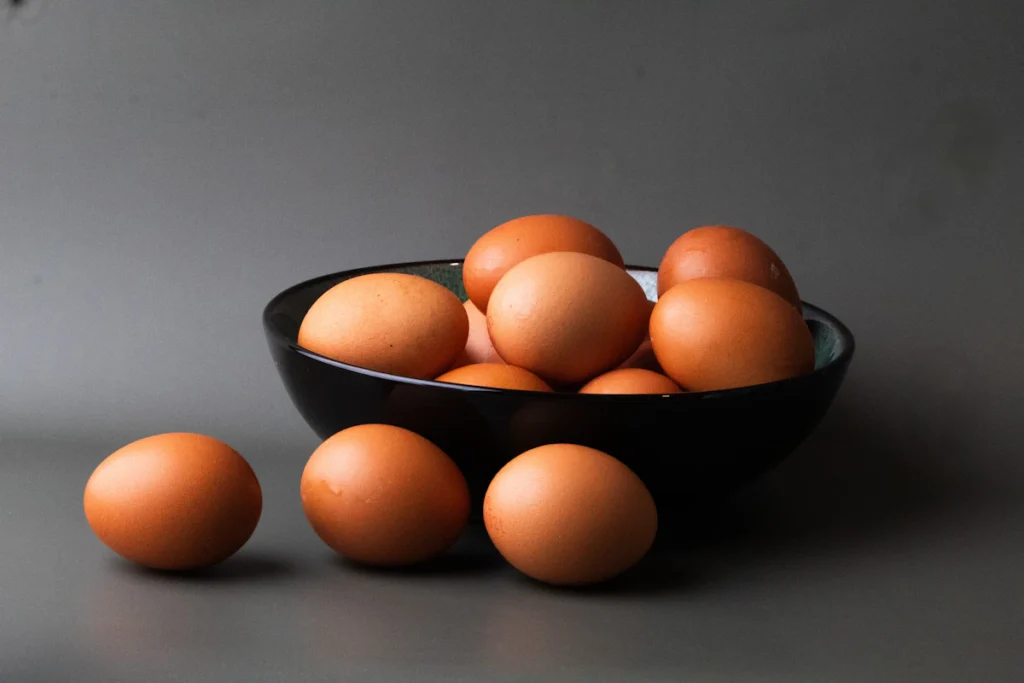
Eggs (2 large)
Eggs are the binder. They set in the oven and turn the blended cheese into a sheet you can fold. Room-temperature eggs blend smoother, but cold eggs work fine.
Seasoning (optional)
A pinch of salt, ½ teaspoon of garlic powder, and ½ teaspoon of Italian seasoning or everything bagel seasoning. Taste your cottage cheese first, because some brands are already quite salty.
Parmesan (optional, 2 tablespoons)
Sprinkled over the batter before baking, grated Parmesan gives you lacy, crisp edges and a nutty flavor. It’s my favorite upgrade for pizza-style flatbreads.
Ingredient Substitutions
| Ingredient | Swap | What Changes |
|---|---|---|
| 4% cottage cheese | 2% cottage cheese | Slightly softer; drain well and add 3–5 minutes of bake time |
| 4% cottage cheese | Nonfat cottage cheese | Not recommended; releases more water and can stay soggy |
| 2 whole eggs | ½ cup liquid egg whites | Lower fat, a bit more rubbery, paler color |
| Italian seasoning | Everything bagel seasoning | Savory, sesame-garlic crunch on top |
| Parmesan | Shredded mozzarella or cheddar | Meltier top, less crisp edges |
Equipment You’ll Need
- High-speed blender or food processor. This is the one tool that matters. You want the batter completely smooth, like thick pancake batter. A personal-size blender handles a single batch easily; an immersion blender in a tall cup works too.
- Half sheet pan (13 x 18 inch). A heavy aluminum pan browns evenly and won’t warp in the oven.
- Parchment paper or a silicone baking mat. Pre-cut parchment sheets save time. A silicone mat is reusable, though you’ll get a slightly softer bottom.
- Offset spatula. Makes spreading an even layer much easier. The back of a spoon works if you don’t have one.
How to Make Cottage Cheese Flatbread, Step by Step
1. Heat the oven and line the pan
Preheat your oven to 375°F (190°C) with a rack in the center. Line a sheet pan with parchment. Skip the cooking spray on parchment; it can make the bottom greasy.
2. Drain and blend
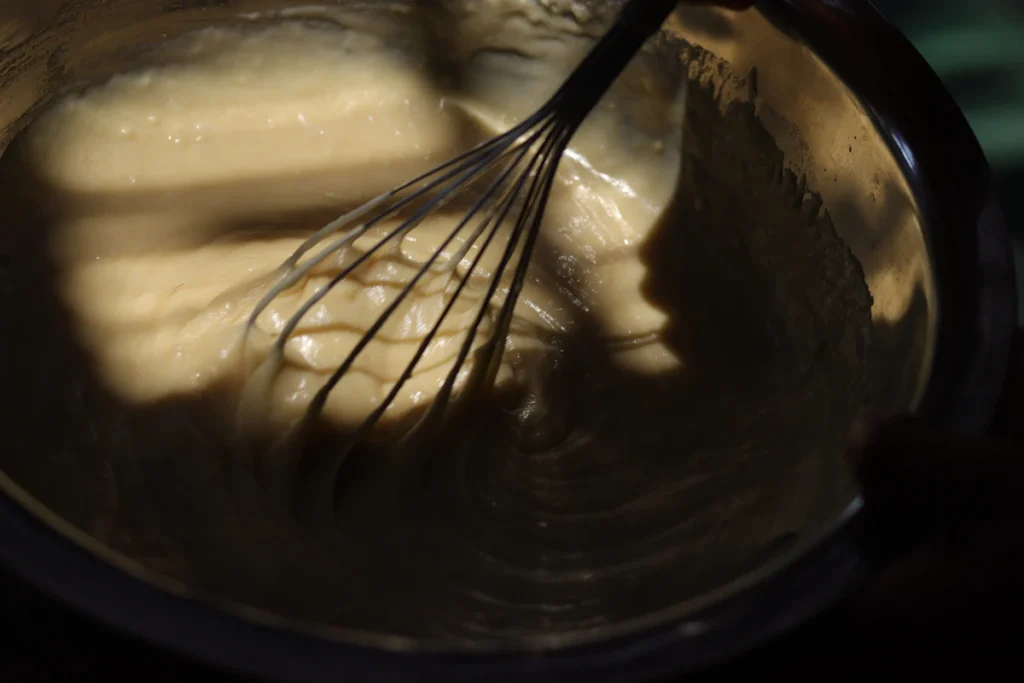
Pour off any liquid sitting on top of the cottage cheese. Add the cottage cheese, eggs, and seasonings to the blender and blend for 30–60 seconds, scraping down once. You’re looking for a smooth, pale-yellow batter with no visible curds. It should pour slowly off a spoon, a bit thicker than crepe batter.
3. Spread it evenly
Pour the batter onto the center of the parchment and spread it into a rectangle roughly 10 x 12 inches, about ¼ inch thick. Keep the edges as thick as the middle. Thin edges burn before the center sets, and that’s the most common reason these flatbreads crack. Sprinkle Parmesan over the top now if you’re using it.
4. Bake until deep golden
Bake for 22–28 minutes. At around 15 minutes it’ll look puffy and pale. Keep going. It’s ready when the surface is golden brown with darker spots, the edges are a deep amber, and the center feels firm and springs back when you press it. Your kitchen will smell like a cheesy omelet. Because this is an egg-based dish, it should reach 160°F in the center, which matches the safe egg dish temperatures listed by FoodSafety.gov. At ¼ inch thick and fully golden, it will be well past that, but an instant-read thermometer takes the guesswork out.
5. Cool, then peel
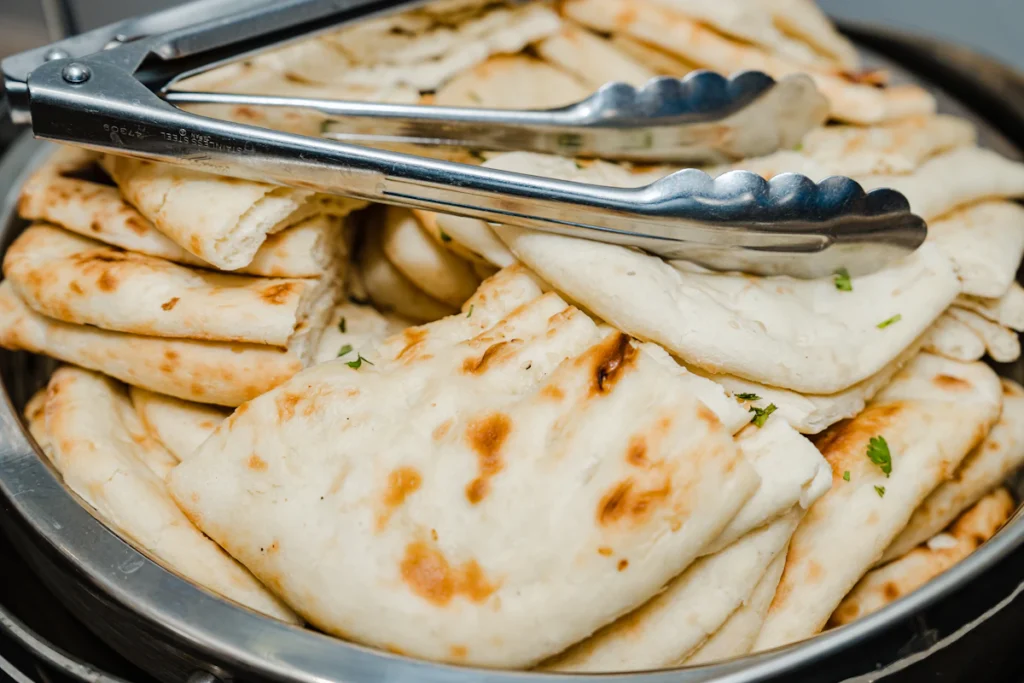
Let the flatbread cool on the pan for 10 minutes. It’ll deflate a little and firm up. Then slide a spatula under one corner and peel the parchment away slowly. Cut into two large wraps or four smaller pieces.
6. Optional: crisp it up
For a sturdier base, flip the cooled flatbread onto a fresh piece of parchment and bake 4–5 minutes more. The underside dries out and turns lightly crisp, which is exactly what you want for pizza or a loaded wrap.
Expert Tips for the Best Texture
- Weigh the cottage cheese. A packed cup and a loose cup can differ by 40 g. 225 g is the sweet spot for two large eggs.
- Don’t spread it to the pan edges. A rectangle in the middle bakes more evenly than a batter that runs into the corners.
- Bake one pan at a time. Two pans on separate racks trap steam, and the lower one usually stays soft.
- Season the top, not just the batter. Seasoning scattered on top toasts in the oven and tastes much stronger.
- Stack with parchment. When you make a double batch, keep a sheet of parchment between flatbreads so they don’t glue together.
- Keep sweet and savory batches separate. Garlic and oregano linger in a blender. Rinse well before a cinnamon batch.
Why Is My Cottage Cheese Flatbread Soggy? (Common Mistakes and Fixes)
Soggy flatbread almost always means too much moisture or not enough bake time. Here’s how to diagnose it fast.
| Problem | Likely Cause | Fix |
|---|---|---|
| Wet, soggy center | Low-fat or undrained cottage cheese; underbaked | Use 4% and pour off the liquid; bake until deep golden, not pale |
| Tears when peeling | Peeled while hot; spread too thin | Cool 10 minutes; keep the batter a full ¼ inch thick |
| Burnt edges, raw middle | Edges thinner than center | Spread evenly; rotate the pan halfway through |
| Lumpy, uneven texture | Batter not fully blended | Blend 30–60 seconds until no curds remain |
| Sticks to the pan | No parchment, or foil used instead | Always use parchment or a silicone mat |
| Tastes too eggy | Not enough seasoning | Add garlic powder, herbs, or Parmesan |
How Can You Use Cottage Cheese Flatbread?
Use it anywhere you’d use a tortilla, pita, or thin pizza crust. It’s flexible enough to roll and sturdy enough to hold fillings once it’s cooled.
- Protein wrap: Roll it around turkey, spinach, and a smear of mustard.
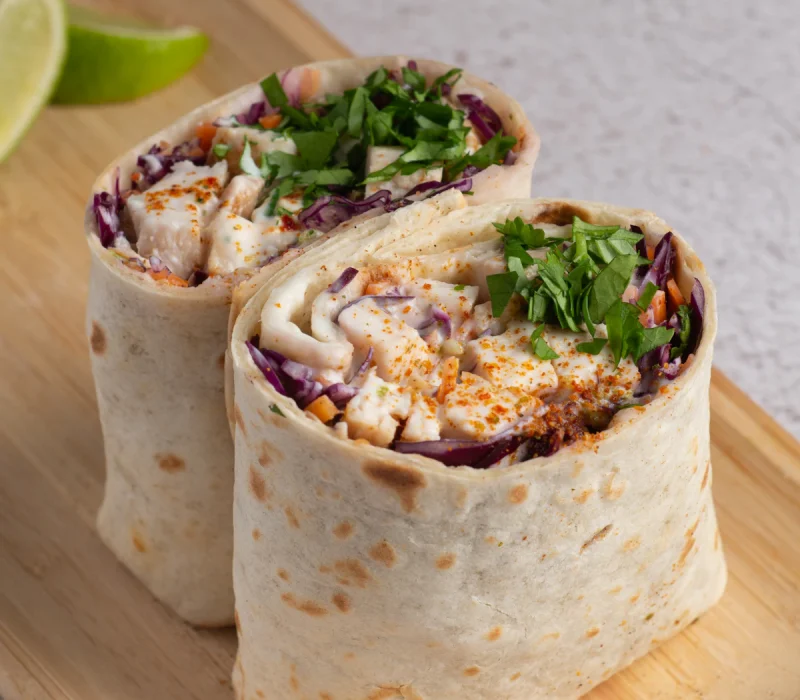
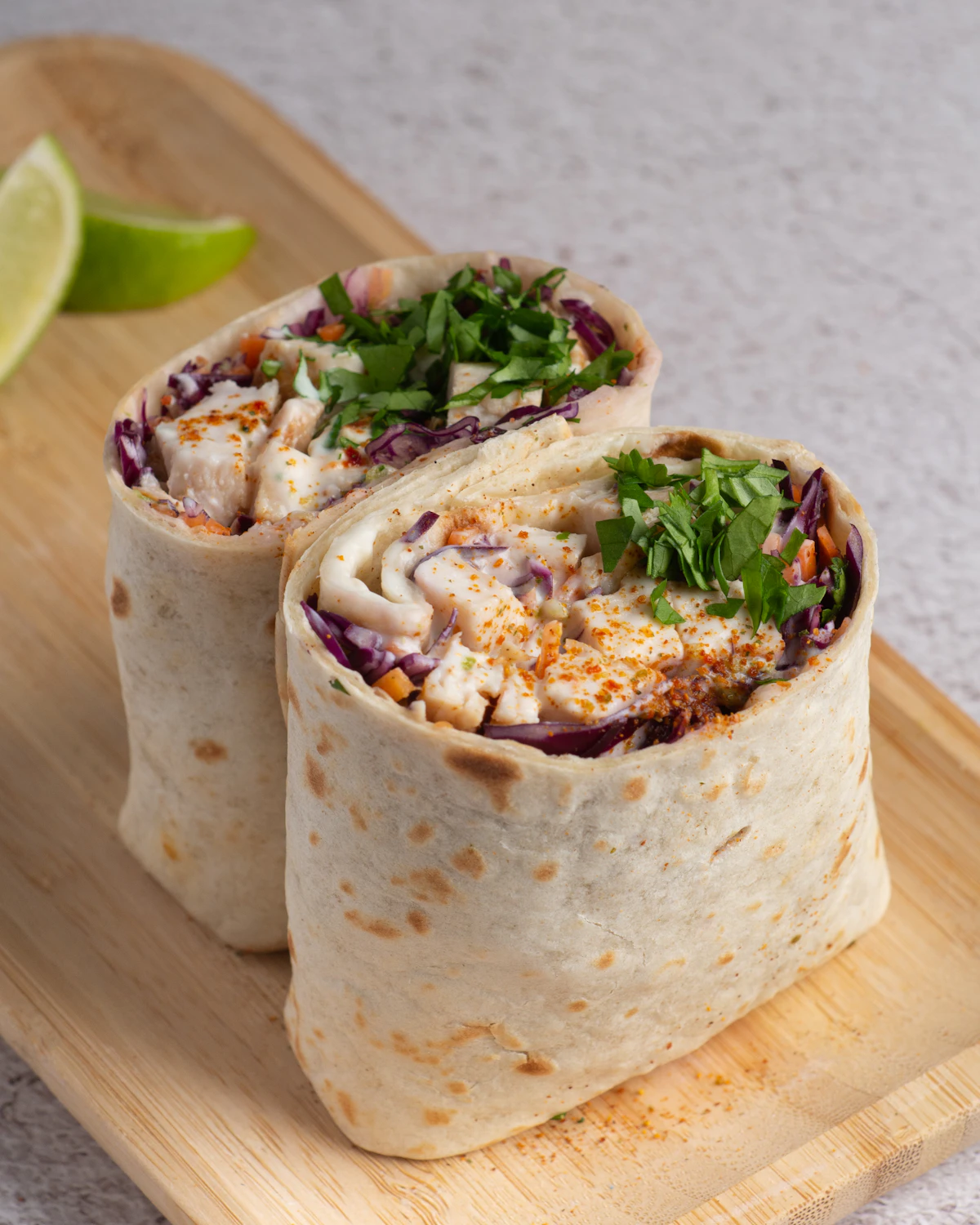
- Chicken salad wrap: Spoon in a bright lemon herb chicken salad, add crisp lettuce, and fold. This is my go-to meal-prep lunch.
- Breakfast burrito: Scrambled eggs, salsa, and a little cheddar.
- Pizza base: After the optional crisping step, top with marinara and mozzarella, then broil 2–3 minutes until bubbly.
- Sandwich bread: Cut into squares and stack like a thin sandwich.

Flavor Variations to Try
- Everything bagel: 1 tablespoon of everything seasoning on top before baking.
- Italian herb: Italian seasoning, garlic powder, and Parmesan. Best for pizza.
- Spicy chipotle: ½ teaspoon of chipotle powder and a pinch of cumin for burrito wraps.
- Spinach: Blend in a small handful of baby spinach for a green wrap. Squeeze it dry first.
- Mediterranean: Oregano and dried dill, served warm with whipped feta with honey for dipping.
- Sweet cinnamon: Skip the garlic; add 1 teaspoon of cinnamon, ½ teaspoon of vanilla, and 1 teaspoon of honey. Fill with Greek yogurt and berries.
Dietary notes: The base recipe is naturally gluten-free, grain-free, and low-carb. It isn’t dairy-free or egg-free, since both main ingredients are the structure.
What to Serve With Cottage Cheese Flatbread
Serve it warm and torn like pita alongside dips, or cooled and wrapped around a hearty filling. A few pairings I keep coming back to:
- Tear it into strips and dunk them in creamy loaded Greek hummus.
- Use it in place of pita for a Greek chicken gyro filling with tzatziki and cucumber.
- Pair a flatbread pizza with a simple green salad for a light dinner.
- Serve a breakfast wrap with fresh fruit or a small bowl of Greek yogurt.
How Long Does Cottage Cheese Flatbread Last in the Fridge?
It keeps for 3 to 4 days in the fridge. Refrigerate it within 2 hours of baking, which follows the USDA’s leftover storage guidelines. Stack the flatbreads with parchment between them in an airtight container. They soften slightly when chilled, which actually makes them easier to roll.
Can You Freeze Cottage Cheese Flatbread?
Yes, but with a small texture trade-off. Freeze fully cooled flatbreads between parchment in a freezer bag for up to 2 months. Thaw overnight in the fridge, then re-crisp before using. They come out a little softer than fresh, so I use frozen ones for pizzas and toasted wraps rather than cold rolls.
How Do You Reheat It?
Warm it in a dry skillet over medium heat for 1–2 minutes per side, or in the air fryer at 350°F for 2–3 minutes. The microwave works in a pinch (15–20 seconds), but it makes the flatbread chewy.
Can You Make Cottage Cheese Flatbread Ahead?
Absolutely, and it’s one of the best meal-prep recipes you can make. Bake two or three batches on a Sunday, cool them completely, and store them stacked with parchment. The batter itself doesn’t hold well, since it separates and loses its body after sitting, so blend it right before baking.
Frequently Asked Questions
How much protein is in cottage cheese flatbread?
One half of this recipe has about 19 grams of protein and roughly 180 calories. The full batch made with 1 cup of 4% cottage cheese and 2 large eggs comes to about 37 grams of protein. Adding Parmesan adds another 3–4 grams.
Can I make cottage cheese flatbread in the air fryer?
Yes. Line the basket with a parchment round, spread half the batter about ¼ inch thick, and air fry at 350°F for 12–15 minutes until golden and firm. Cook in batches, since overcrowding traps steam. Air fryer versions come out a bit thicker and softer at the center.
Why did my cottage cheese flatbread fall apart?
It usually falls apart because it was peeled while hot or spread too thin. Let it cool on the pan for a full 10 minutes so the egg finishes setting. Keep the batter an even ¼ inch thick, and use full-fat cottage cheese, which holds together better than nonfat.
Is cottage cheese flatbread good for weight loss?
It can fit well into a weight loss plan because it’s high in protein and low in carbs, which helps you feel full on fewer calories. One half has about 180 calories versus 200 or more for many large flour tortillas. What you fill it with matters just as much.
Does cottage cheese flatbread taste like cottage cheese?
Not really. Once blended and baked, the curds disappear and the flavor turns mild and savory, closer to a thin cheese omelet. The seasoning you add has a big impact, so garlic powder, herbs, or Parmesan make it taste more like bread.
Give This Flatbread a Spot in Your Weekly Rotation
Once you’ve made this cottage cheese flatbread a couple of times, it becomes almost automatic: blend, spread, bake, cool. It’s the kind of recipe that quietly makes healthy lunches easier, because a high protein wrap is sitting in the fridge ready to go. Start with the plain version, then play with the everything bagel or cinnamon twists. If you make it, leave a rating and tell me how you filled yours. I love seeing new ideas.
Nutrition Information
Estimated nutrition per serving (1 of 2 wraps):
| Nutrient | Amount |
|---|---|
| Calories | 182 kcal |
| Protein | 19 g |
| Carbohydrates | 4 g |
| Fat | 10 g |
Nutrition values are estimates calculated from standard ingredient data and will vary with the brands and exact amounts you use.
High Protein Cottage Cheese Flatbread
Ingredients
Method
- Preheat the oven to 375°F (190°C) and line a sheet pan with parchment paper.
- Pour off any liquid from the cottage cheese. Blend the cottage cheese, eggs, and seasonings for 30–60 seconds until completely smooth.
- Spread the batter into a 10 x 12 inch rectangle about ¼ inch thick, keeping the edges as thick as the center. Sprinkle with Parmesan if using.
- Bake for 22–28 minutes, until deep golden brown and the center is firm and springs back (160°F).
- Cool on the pan for 10 minutes, then peel off the parchment and cut into 2 wraps.
- Optional: flip onto fresh parchment and bake 4–5 minutes more for a crisper base.