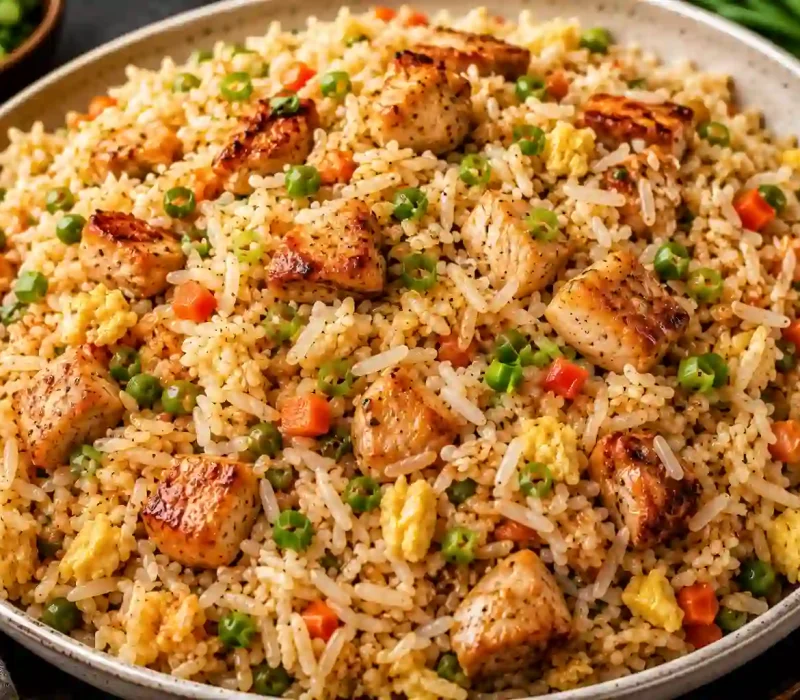
There is a specific kind of fried rice you get from a good takeout spot grains separate, slightly charred at the edges, glossy but not greasy, with that unmistakable wok-fried smell. Most homemade versions miss that mark, and it is almost never about the recipe. It is about one detail nearly everyone skips: using fresh, warm rice instead of cold, day old rice. Fix that one thing, and this better-than-takeout chicken fried rice recipe genuinely delivers restaurant-quality results in your own kitchen, in under 25 minutes.
I have made fried rice more ways than I would like to admit soggy, clumpy, bland, over salted, you name it. The version below is the one that actually gets requested again. It is built around a handful of non-negotiable techniques rather than a long ingredient list, which means once you understand the why, you can make this with whatever protein, vegetables, or rice you already have on hand. If you love quick, satisfying poultry dishes like our easy crispy chicken fried steak or a comforting chicken marsala recipe, this vibrant skillet meal will easily find a permanent home in your weekly rotation.
Why You’ll Love This Recipe
- It is faster than delivery: From stovetop to plate, this comes together in about 20 to 25 minutes—quicker than most takeout arrives.
- It uses what is already in your fridge: Leftover rice, a couple of eggs, some chicken, and whatever vegetables you have on hand.
- No deep frying, no wok required: A regular large skillet works just fine.
- It is genuinely customizable: Swap the protein, adjust the soy sauce, add whatever vegetables need using up.
- It reheats beautifully: This makes it one of the better meal-prep lunches you can make for a busy workweek.
- You control the sodium: Managing the oil and salt keeps it lighter than standard commercial delivery options.
What Is Better Than Takeout Chicken Fried Rice?
Chicken fried rice is a stir-fried rice dish built on cooked rice, scrambled eggs, diced chicken, aromatics, and a light soy-based seasoning, all cooked quickly over high heat. It is one of the most widely made dishes across Chinese-American takeout menus, and its popularity comes from being both a complete meal and a practical way to use up leftovers: rice, vegetables, and protein that might otherwise go to waste.
The “better than takeout” framing is not just marketing. Restaurant kitchens have two advantages home cooks usually don’t: a wok that holds extreme heat, and rice that has been cooked and cooled specifically for frying. At home, you can’t always replicate a commercial wok burner, but you can absolutely replicate the rice technique—and that single adjustment closes most of the gap between fine homemade fried rice and authentic restaurant quality.
Fried rice as a dish has roots that go back centuries in Chinese cuisine, originally developed as a way to avoid wasting leftover rice. The chicken-and-vegetable version most people know today is a Chinese-American adaptation, shaped by takeout kitchens to be fast, filling, and easy to customize—which is exactly why it has stayed a weeknight staple. For general safety standards when handling poultry and pantry staples, you can review official poultry preparation guidelines to ensure proper safety practices.
Ingredient Breakdown
Great cooking relies on high-quality basics. Here is why each ingredient matters:
Rice
The single most important ingredient in this dish. Day-old, refrigerated rice is the traditional choice because the grains firm up and dry out slightly overnight, which keeps them from turning mushy when stir-fried. If you don’t have leftover rice, cook it fresh, spread it on a baking sheet in a thin layer, and refrigerate for 30 to 45 minutes (or the freezer for 10 to 15 minutes) to mimic that same dried-out texture. Long-grain white rice is the classic choice, though brown rice, jasmine rice, or even cauliflower rice all work with minor adjustments.
Chicken
Diced or shredded cooked chicken works best for speed, but raw diced chicken breast or thigh cooked fresh in the pan gives you more control over seasoning and texture. If using raw chicken, cut it into small, even pieces so it cooks quickly and evenly.
Eggs
Scrambled separately and folded in near the end, eggs add richness and a bit of protein. Cooking them apart from the rice, rather than scrambling directly into it, keeps the curds distinct instead of turning the whole dish into a mushy blend.
Soy Sauce
The primary seasoning. Regular soy sauce gives a balanced saltiness; for a gluten-free version, swap in tamari or coconut aminos. A small amount of oyster sauce, if you have it, adds a deeper savory note that is closer to what you would get from takeout.
Sesame Oil
Used in small amounts, sesame oil brings a nutty aroma that regular cooking oil can’t replicate. It is added at the end rather than used for frying, since high heat can make it taste bitter.
Vegetables and Aromatics
Frozen pea and carrot blends are a common shortcut and work well since they cook quickly straight from frozen. Fresh diced onion and sliced green onion, with whites cooked in and greens added at the end, round out the aromatics. You can explore more pantry preservation methods via food safety storage guidelines to manage your staples safely.
Equipment Needed
- A large skillet or wok: The wider the surface, the more evenly the rice fries instead of steaming.
- A sturdy spatula: Essential for tossing and spreading the grains without breaking them down.
- A rimmed baking sheet: Useful if you are cooling fresh-cooked rice quickly in the refrigerator or freezer.
Step-by-Step Instructions
1. Prep the Rice
If using leftover rice, break up any large clumps with your hands or a fork before cooking. This makes a noticeable difference in how evenly it fries. If using fresh rice, make sure it has been properly cooled and dried out first.
2. Cook the Chicken
Heat a tablespoon of oil in your skillet over medium-high heat. If using raw chicken, add it now and cook until lightly browned and cooked through, about 5 to 7 minutes. Remove and set aside. If your chicken is already cooked, skip straight to the next step.
3. Scramble the Eggs Separately
Push everything to one side of the pan or use a clean corner, add a small amount of oil, and pour in the beaten eggs. Let them set for about 30 seconds before scrambling gently. Cooking them apart from the rice keeps the texture distinct rather than turning everything into a uniform mush. Remove and set aside with the chicken.
4. Cook the Aromatics and Vegetables
Add a bit more oil to the pan, then the onion, garlic, and any frozen or fresh vegetables. Cook until just tender, a couple of minutes for frozen vegetables, slightly longer for fresh.
5. Add the Rice and Fry It Properly
Turn the heat up to high. Add the rice directly into the pan with the vegetables, spreading it into an even layer. Let it sit undisturbed for about a minute before tossing. This is what actually creates that slightly charred, restaurant-style flavor. Resist the urge to stir constantly; movement too early keeps the rice from developing any color.
6. Bring It All Together
Return the chicken and scrambled eggs to the pan. Add soy sauce and oyster sauce around the edges of the pan rather than pouring it directly on top. This lets the sauce hit the hot metal and caramelize slightly before mixing in. Toss everything together for another 1 to 2 minutes.
7. Finish and Serve
Remove from heat, drizzle with sesame oil, and stir in sliced green onions. Taste and adjust with extra soy sauce if needed. Serve immediately, while it is hot and the rice is still slightly crisp at the edges.
Expert Tips for Best Results
- Cold or dried-out rice: This is the single biggest factor in getting that separate grain texture instead of a sticky clump.
- Do not overcrowd the pan: If doubling the recipe, cook in two batches. Too much rice at once steams instead of frying.
- Let the rice sit before tossing: Those few seconds of undisturbed contact with the hot pan are what create the light char that makes this taste like takeout.
- Add soy sauce around the pan edges: Pouring it around the perimeter, not directly on the rice, builds a deeper, more caramelized flavor profile.
- High heat matters: A regular skillet on your stove’s highest usable heat setting gets you most of the way there compared to a commercial burner.
Common Mistakes to Avoid
- Using freshly cooked, warm rice: Rice straight off the stove is too moist and will clump or turn mushy when stir-fried.
- Stirring the rice too soon or too often: This prevents any browning or char from developing properly.
- Overcrowding the pan: A pan that is too full traps steam, and steamed rice never gets that fried texture.
- Adding too much soy sauce: Fried rice should taste savory, not wet or salty enough to overpower the other flavors. Add gradually and taste as you go.
- Scrambling eggs directly into the rice: This blends everything into a soft, uniform texture instead of distinct bites of egg.
Variations and Customizations
- Shrimp fried rice: Swap the chicken for peeled, deveined shrimp, cooked just until pink.
- Beef or pork fried rice: Thinly sliced beef or diced pork works well in place of chicken; sear it first, then set aside like the chicken.
- Vegetarian fried rice: Omit the meat entirely, or swap in firm tofu or extra scrambled egg for protein.
- Spicy fried rice: Add a spoonful of chili garlic sauce or a drizzle of sriracha at the end.
- Pineapple fried rice: Stir in a handful of diced pineapple for a sweet-savory Hawaiian-style twist.
Storage and Reheating Instructions
- Refrigerator: Store leftovers in an airtight container for up to 4 days after cooling completely.
- Freezer: Freeze in freezer-safe bags or containers for up to 2 to 3 months.
- Reheating: Reheat in a skillet over medium heat with a splash of water or oil, stirring occasionally, until thoroughly warmed through.
Frequently Asked Questions
Why does restaurant fried rice taste different from homemade fried rice?
The biggest difference is usually the rice itself. Restaurants use rice that has been cooked and cooled, which fries up separate and slightly crisp instead of clumping. High heat from a commercial burner also helps, but using cold, dried-out rice at home closes most of that gap.
Can I use fresh rice instead of leftover rice?
Yes, but it needs to be cooled and dried out first. Spread freshly cooked rice on a baking sheet and refrigerate for 30 to 45 minutes, or freeze for 10 to 15 minutes, before frying. Using rice straight off the stove will make the dish gummy.
What is the best rice for fried rice?
Long-grain white rice, like jasmine or basmati, is the classic choice because the grains stay firmer and separate more easily than shorter-grain varieties. Day-old rice of any long-grain type will work well once dried out slightly in the fridge.
Can I make this gluten-free?
Yes. Swap regular soy sauce for tamari or coconut aminos, both of which are gluten-free and give a similar savory flavor. Double-check that any oyster sauce used is also labeled gluten-free, since some brands contain wheat.
How do I keep my fried rice from turning mushy?
Use cold or dried-out rice, avoid overcrowding the pan, and let the rice sit briefly before stirring so excess moisture can cook off. Adding soy sauce gradually also helps prevent a soggy texture.
Can I use raw chicken instead of cooked chicken?
Yes. Cut it into small, even pieces and cook it fully in the pan before adding the rice, then set it aside until you are ready to combine everything. This actually gives you more control over seasoning than using pre-cooked chicken.
How long does chicken fried rice last in the fridge?
Stored in an airtight container, it keeps for up to 4 days in the refrigerator. Let it cool completely before sealing to prevent trapped steam from making the rice soggy.
Can I freeze chicken fried rice?
Yes, it freezes well for up to 2 to 3 months in a freezer-safe container or bag. Thaw in the refrigerator overnight, then reheat in a skillet for the best texture.
What vegetables work best in chicken fried rice?
Peas and diced carrots are the classic combination, often used frozen for convenience. Onion, green onion, corn, bean sprouts, and shredded cabbage are all common additions that hold their texture well.
Is chicken fried rice healthier than takeout?
It can be, since making it at home lets you control the amount of oil, sodium, and rice used. Using less oil, more vegetables, and reduced-sodium soy sauce are simple ways to make a lighter version.
Conclusion
Better Than Takeout Chicken Fried Rice proves that recreating your favorite restaurant dish at home comes down to a few simple habits: cold rice, high heat, letting it sit undisturbed, and seasoning gradually. Once you master these basic techniques, you will never need to wait for delivery again. Give it a try on your next busy weeknight and enjoy hot, perfectly charred fried rice straight from your own kitchen.
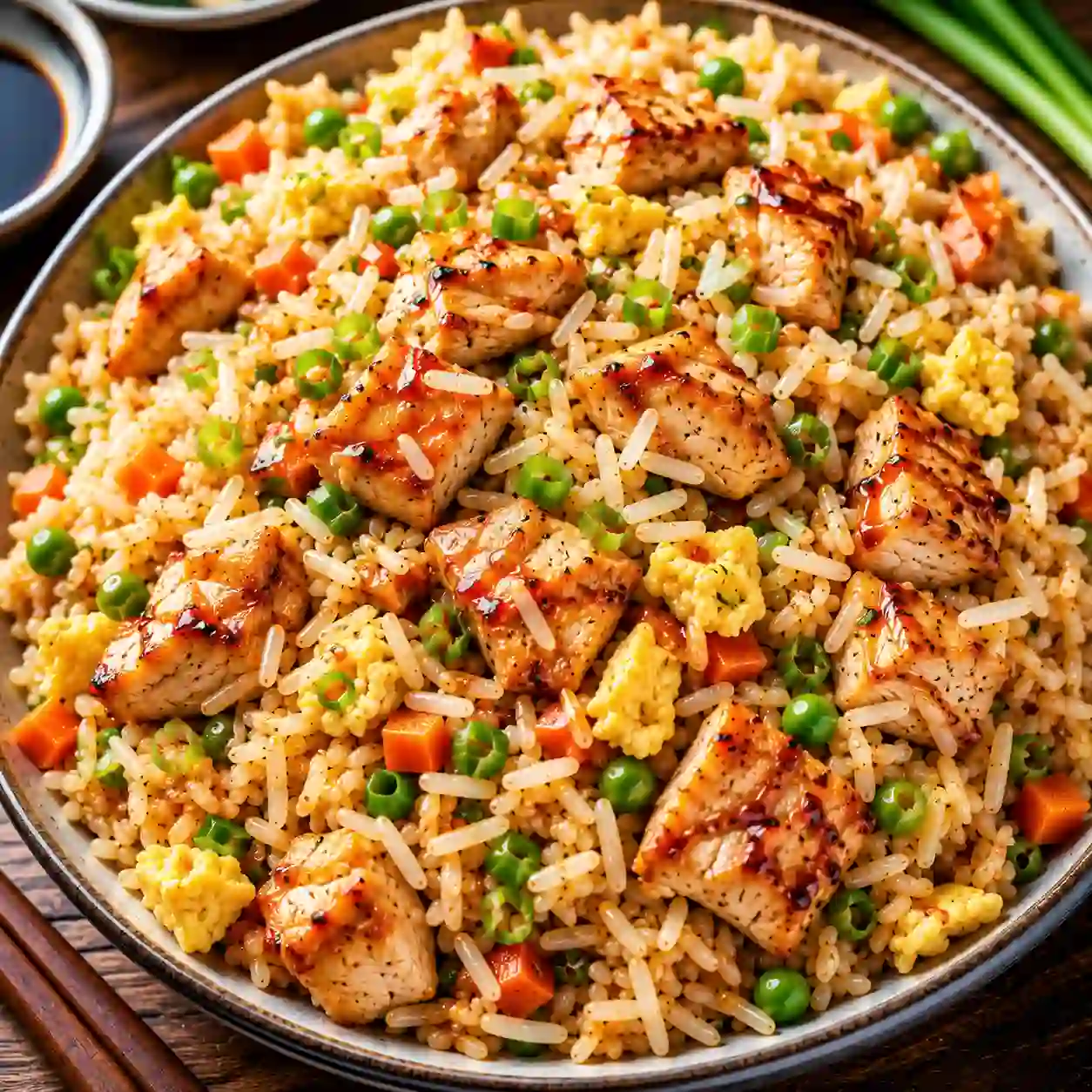
Better Than Takeout Chicken Fried Rice Recipe
Notes
Ingredients
- 3 cups cooked, cold long grain white rice (preferably day old)
- 1 lb boneless, skinless chicken breast or thigh, diced small (or 2 cups cooked, diced chicken)
- 2 large eggs, lightly beaten
- 1 cup frozen peas and carrots
- ½ cup diced onion
- 2 cloves garlic, minced
- 3 tablespoons soy sauce, plus more to taste
- 1 tablespoon oyster sauce (optional)
- 1 teaspoon sesame oil
- 3 tablespoons neutral oil (vegetable or canola), divided
- 2 green onions, sliced (whites and greens separated)
- Salt and pepper, to taste
Instructions
- Break up any clumps in the cold rice with your hands or a fork.
- Heat 1 tablespoon oil in a large skillet or wok over medium high heat. Cook raw chicken until browned and cooked through, about 5–7 minutes. Remove and set aside. (Skip this step if using pre cooked chicken.)
- Add a little more oil, then pour in the beaten eggs. Let set 30 seconds, then scramble gently. Remove and set aside with the chicken.
- Add remaining oil, onion, garlic, and frozen vegetables. Cook 2–3 minutes until tender.
- Turn heat to high. Add rice, spreading into an even layer. Let sit undisturbed for about 1 minute before tossing.
- Return chicken and eggs to the pan. Add soy sauce and oyster sauce around the pan edges. Toss everything together for 1–2 minutes.
- Remove from heat, drizzle with sesame oil, and stir in green onions. Taste and adjust seasoning. Serve hot.
Notes
- Day old, refrigerated rice gives the best texture. If using fresh rice, cool it on a baking sheet in the fridge for 30–45 minutes first.
- Add soy sauce gradually and taste as you go to avoid an overly salty result.
- Swap the chicken for shrimp, beef, pork, or tofu using the same method.