Huli Huli Chicken Recipe is a Hawaiian favorite that’s known for its sweet, savory, and smoky flavors. The word “huli” means “turn” in Hawaiian, referring to the traditional cooking method where the chicken is flipped repeatedly over an open grill while being basted with a rich glaze. This Huli Huli Chicken Recipe may sound exotic, but it’s surprisingly easy to recreate at home.
I’ll be honest, the first time I made this Huli Huli Chicken Recipe, I used fresh pineapple juice because it was what I had on hand. The chicken turned out oddly soft, almost mushy around the edges. It turns out that’s a common issue with this marinade because fresh pineapple contains enzymes that break down the meat too much.
This is not just another basic barbecue chicken recipe. It is a masterclass in balancing complex flavors. You get salty soy sauce, acidic pineapple juice, earthy fresh aromatics, and rich brown sugar all working together.
Whether you are hosting a massive summer cookout or just trying to pull together a quick weeknight dinner, this recipe consistently delivers exactly what you want. You get maximum flavor with minimal active effort. If you are already a fan of classic grilled hawaiian chicken, this traditional favorite will rapidly become your absolute go to weekend meal.
Why You’ll Love This Huli Huli Chicken Recipe
- The flavor is genuinely balanced sweet, salty, tangy, and smoky all at once, without any one note taking over.
- It’s a true crowd pleaser. This is the chicken people request again at the next cookout.
- The marinade doubles as a basting sauce, so you get concentrated flavor built into every layer of cooking.
- It works on any grill setup gas, charcoal, or even a stovetop grill pan.
- It has real cultural roots, not just a marketing label it’s an actual Hawaiian classic with a documented history.
- Leftovers are excellent, whether reheated, shredded into rice bowls, or eaten cold in a salad.
What Is Huli Huli Chicken Recipe?
To truly appreciate this dish, it helps to understand exactly where it comes from. The word “huli” translates to “turn” in the Hawaiian language. The dish was originally created in the 1950s by a businessman named Ernest Morgado. He cooked massive batches of teriyaki style chicken between two large grill racks, flipping them constantly over open flames.
Because the marinade is rich in natural sugars, the constant turning prevents the meat from burning. At the same time, it allows the sauce to reduce into a thick, glossy coating. Today, you can read more about the fascinating origins of huli huli chicken and see how it has evolved from a local fundraiser staple into an absolute icon of Hawaiian plate lunch culture.
Huli Huli Chicken vs. Teriyaki: Both use soy sauce and sugar, but Huli Huli sauce includes ketchup and pineapple juice, giving it a sweeter, tangier flavor than traditional teriyaki. I Love Huli Huli Chicken Recipe You must try.
Ingredient For Huli Huli Chicken Recipe
Chicken thighs (bone in or boneless) Traditional and recommended. Thighs hold up better to the repeated grilling and basting this dish involves, staying juicy where leaner cuts might dry out. Boneless chicken breast can be substituted, but expect a shorter cook time and a slightly less authentic result.
Pineapple juice This is the ingredient that trips up a lot of home cooks. Use canned pineapple juice, not fresh. Fresh pineapple contains an enzyme called bromelain, a natural meat tenderizer strong enough to break down the chicken’s texture into something mushy if it sits in the marinade too long. The canning process deactivates bromelain, which is exactly why canned juice is the safer, more traditional choice here you get the tropical sweetness without the texture problem.
Soy sauce The savory backbone of the marinade. Low sodium soy sauce works well if you want more control over the final saltiness, especially since the marinade also doubles as a glaze.
Brown sugar Provides the sweetness that caramelizes into that sticky, glossy finish on the grill. Light or dark brown sugar both work; dark brown sugar gives a slightly deeper, more molasses forward flavor.
Ketchup A defining ingredient that separates huli huli sauce from a plain teriyaki glaze. It adds body, a touch of tang, and helps the sauce thicken into a proper glaze rather than staying thin and watery.
Sherry or Chinese cooking wine Traditional recipes often include a splash of sherry, mirin, or Chinese cooking wine for depth. If you’d rather skip the alcohol, chicken broth is a reasonable substitute, though the flavor will be slightly less complex.
Fresh ginger and garlic Both are essential aromatics here, and fresh versions make a noticeably bigger difference than the powdered alternatives. Crushed or minced, they infuse the marinade with the sharp, warm notes that keep the sauce from tasting one dimensionally sweet.
Sesame oil (optional) A small amount rounds out the marinade with a subtle nutty background note.
Red pepper flakes or sriracha (optional) Not traditional, but a common modern addition for those who want a bit of heat cutting through the sweetness.
Equipment Needed For Huli Huli Chicken Recipe
- A grill (charcoal gives the most traditional smoky result, but gas works fine)
- A resealable bag or shallow dish for marinating
- A basting brush
- A meat thermometer
How To Make Huli Huli Chicken Recipe
1. Make the marinade
Whisk together soy sauce, brown sugar, ketchup, canned pineapple juice, sherry (or broth), fresh ginger, and garlic in a bowl. Reserve about a third to half of the mixture in a separate container this portion is for basting later and must never touch raw chicken.
2. Marinate the chicken
Place the chicken in a resealable bag or shallow dish and pour the remaining marinade over it, making sure every piece is coated. Marinate in the refrigerator for at least 1 hour, ideally 4 to 8 hours. Don’t push much past 8 hours traditional recipes note that longer marinating can make the finished chicken taste too salty, on top of any texture concerns from the sugar and acid.
3. Preheat the grill
Heat your grill to medium, aiming for a steady, moderate temperature rather than high heat. Because the marinade is sugar heavy, high heat will scorch the outside before the chicken cooks through moderate, consistent heat is what gives you that deep caramelization without burning.
4. Grill and turn repeatedly
Place the chicken on the grill and cook, turning every few minutes rather than leaving it untouched on one side. This frequent turning the “huli” in huli huli helps the glaze build up in layers instead of burning in one spot. Close the grill lid between turns to help the chicken cook through evenly; if you’re using an open grill without a lid, you may need to move the chicken slightly away from direct heat so the inside cooks without the outside charring too fast.
5. Baste with the reserved sauce
During the last several minutes of grilling, brush the chicken repeatedly with the reserved marinade as you continue turning it. This is what builds the thick, glossy, caramelized coating huli huli chicken is known for.
6. Check for doneness
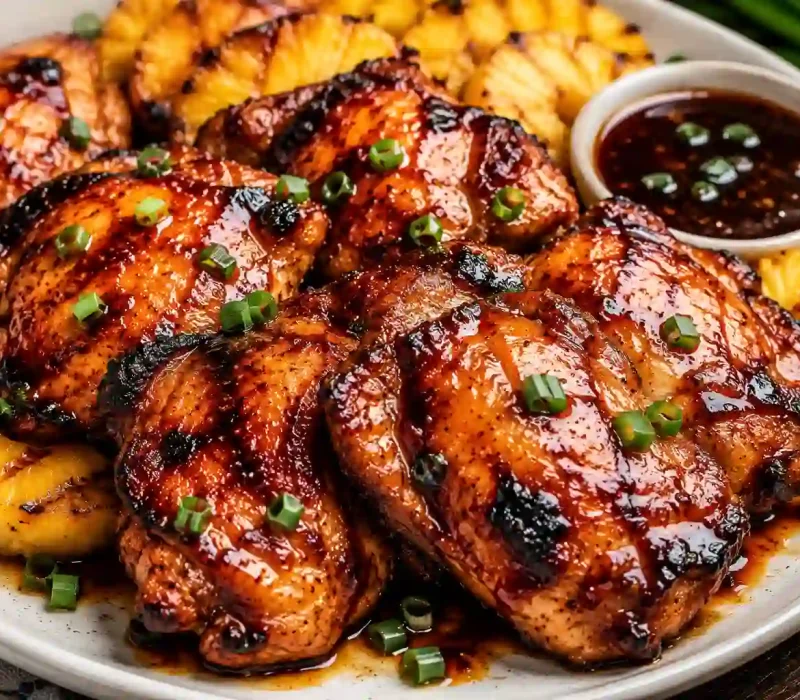
You will know the chicken is getting close when the exterior is glossy, sticky, and speckled with dark, caramelized char marks. More importantly, check the internal temperature. It is always wise to follow official guidelines for safe internal chicken temperatures which require a minimum of 165°F. However, for chicken thighs specifically, I actually prefer taking them to 175°F. The dark meat becomes significantly more tender at this slightly higher temperature because the tough connective tissues break down better.
7. Rest and serve
Let the chicken rest for about 5 minutes before serving. This short pause helps redistribute the juices so they stay in the meat rather than running out the moment you cut into it.
Expert Tips for Huli Huli Chicken Recipe
- Use canned pineapple juice, not fresh. This single swap prevents the mushy texture issue that trips up a lot of first time huli huli cooks.
- Never reuse marinade that’s touched raw chicken as a basting sauce. Always set aside a clean portion before marinating begins.
- Keep the grill at medium heat, not high. The sugar content means this marinade burns faster than a plain savory one.
- Turn the chicken often. It’s not just tradition frequent turning genuinely helps build an even glaze instead of a burnt one.
- Don’t marinate longer than 8 hours. Past that point, the chicken can turn overly salty and the texture may start to suffer.
Common Mistakes to Avoid
- Using fresh pineapple juice instead of canned. The bromelain enzyme in fresh pineapple can turn the chicken mushy if it marinates too long.
- Reusing raw marinade as a basting or serving sauce. This is a genuine food safety concern always reserve a separate portion first.
- Grilling over high heat. The sugar in the marinade burns quickly at high temperatures, leaving you with a scorched exterior and an undercooked interior.
- Marinating for too long. More than 8 hours risks an overly salty result and can affect the chicken’s texture.
- Skipping the meat thermometer. A sticky, dark glaze can make it hard to judge doneness by color alone, especially with bone in cuts.
- Not turning the chicken often enough. Leaving it on one side too long is how you end up with an unevenly charred, patchy glaze instead of a smooth, glossy one.
Variations For Huli Huli Chicken Recipe
- Spicy Huli Huli: If you love a sweet and spicy flavor profile, whisk a tablespoon of Sriracha, sambal oelek, or a teaspoon of crushed red pepper flakes directly into the marinade. The heat cuts beautifully through the rich brown sugar.
- Oven Baked Method: No grill available? No problem at all. Preheat your oven to 425°F. Line a baking sheet with foil and place a wire roasting rack on top. Bake the chicken for 25 to 30 minutes. Baste it heavily during the last 10 minutes until it looks sticky and browned.
- Air Fryer Method: You can cook the marinated thighs in your air fryer at 380°F for about 16 to 18 minutes, flipping halfway through. Note that the fast circulating air will caramelize the sugars very rapidly, so keep a very close eye on them in the final few minutes.
- Kid Friendly Skewers: Chop the chicken breasts or thighs into bite sized pieces before marinating, then thread them onto soaked wooden skewers. This cooks incredibly fast and is very fun for kids to eat. If your kids are picky and prefer breaded options, you can always pivot to making simple homemade chicken tenders on another night.
How To Store Huli Huli Chicken Recipe
- Let the chicken cool completely before storing.
- Store leftovers in an airtight container in the refrigerator for up to 4 days.
- Freeze in a freezer safe container or bag for up to 3 months.
- Thaw overnight in the refrigerator before reheating.
If you want to keep things a bit lighter and more vegetable forward, slice the chicken up and serve it alongside a bright, vinegary crisp refreshing cucumber salad. The crunch of the chilled cucumbers is the absolute perfect textural counterpoint to the sticky chicken. For a classic summer barbecue spread, you can never go wrong pairing this tropical dish with a massive platter of hot fresh boiled sweet corn dripping in salted butter.
Reheating Instructions For Huli Huli Chicken Recipe
- Oven (Best): Reheat at 350°F (175°C), loosely covered with foil, until warmed through.
- Microwave: Heat in short 30 second intervals until hot.
- Avoid overheating to keep the chicken juicy and the glaze from drying out.
FAQS Huli Huli Chicken Recipe
Why should I use canned pineapple juice instead of fresh?
Fresh pineapple contains bromelain, a natural enzyme that tenderizes meat aggressively. Left in a marinade too long, it can turn chicken mushy rather than tender. Canning deactivates this enzyme, which is why canned pineapple juice is the traditional and more reliable choice for this recipe.
What’s the difference between huli huli sauce and teriyaki sauce?
Both share a soy sauce, sugar, and ginger base, but huli huli sauce typically includes ketchup and pineapple juice or vinegar, while teriyaki relies on rice wine like sake or mirin instead. Huli huli sauce tends to taste a bit tangier and more tomato forward as a result.
How long should I marinate Huli Huli Chicken?
For the best Huli Huli Chicken Recipe, marinate the chicken for at least 1 hour, although 4 to 8 hours will develop a deeper, richer flavor. Avoid marinating for longer than 8 hours, as the salt and sugar in the marinade can make the chicken overly salty and may begin to affect its texture.
Can I use chicken breast instead of thighs?
Yes, though thighs are the traditional and recommended cut since they stay juicier through the repeated grilling and basting. If using breast, choose thinner pieces or butterfly them, and watch the internal temperature closely since breast meat cooks faster and dries out more easily.
Why does Huli Huli Chicken get turned so often while grilling?
In a traditional Huli Huli Chicken Recipe, “huli” means “turn” in Hawaiian, which refers to the classic cooking method of flipping the chicken repeatedly over the grill. Frequent turning helps the Huli Huli Chicken Recipe cook evenly while allowing the glaze to caramelize in thin layers instead of burning in one spot, creating its signature sweet, smoky, and sticky finish.
Can I make Huli Huli Chicken Recipe without a grill?
Yes. You can still enjoy this Huli Huli Chicken Recipe without a grill. Broil the chicken on a wire rack set over a baking sheet, brushing it with the reserved marinade and turning it every few minutes until it’s fully cooked and beautifully caramelized. You can also prepare this Huli Huli Chicken Recipe in a slow cooker, then finish it under the broiler for a few minutes to develop the signature charred, sticky glaze.
Is huli huli chicken gluten free?
Not by default, since most soy sauce contains wheat. Substituting tamari or coconut aminos for the soy sauce makes the marinade gluten free without changing the overall flavor much.
Where does huli huli chicken come from?
It’s attributed to Honolulu businessman Ernest Morgado, who developed the marinade and cooking method in 1955 for fundraising events. The dish grew in popularity across Hawaii and remains a staple at local fundraisers, school events, and community grilling stands today.
How do I know when huli huli chicken is done?
Use a meat thermometer at the thickest part of the chicken; bone in thighs should reach at least 165°F, though many cooks prefer closer to 170–175°F for a more tender result. The dark, sticky glaze can make doneness hard to judge by color alone.
Can I freeze Huli Huli Chicken Recipe ?
Yes. This Huli Huli Chicken Recipe freezes very well. Let the chicken cool completely, then store it in a freezer-safe container or freezer bag for up to 3 months. When you’re ready to enjoy your Huli Huli Chicken Recipe, thaw it overnight in the refrigerator and reheat it gently in a covered baking dish in the oven to keep the glaze flavorful and the chicken tender.
Final Thoughts
The Huli Huli Chicken Recipe has earned its reputation for good reason. It combines authentic Hawaiian flavor with a simple grilling technique that anyone can master at home. Once you understand the importance of frequent turning, reserving part of the marinade for basting, and cooking over moderate heat, this Huli Huli Chicken Recipe becomes surprisingly easy to make.
One of the biggest secrets to success is using canned pineapple juice instead of fresh. That small change helps the Huli Huli Chicken Recipe stay juicy and tender without becoming overly soft. After you’ve made this Huli Huli Chicken Recipe once, it’s likely to become one of your favorite grilling recipes for summer cookouts, family dinners, and backyard barbecues.
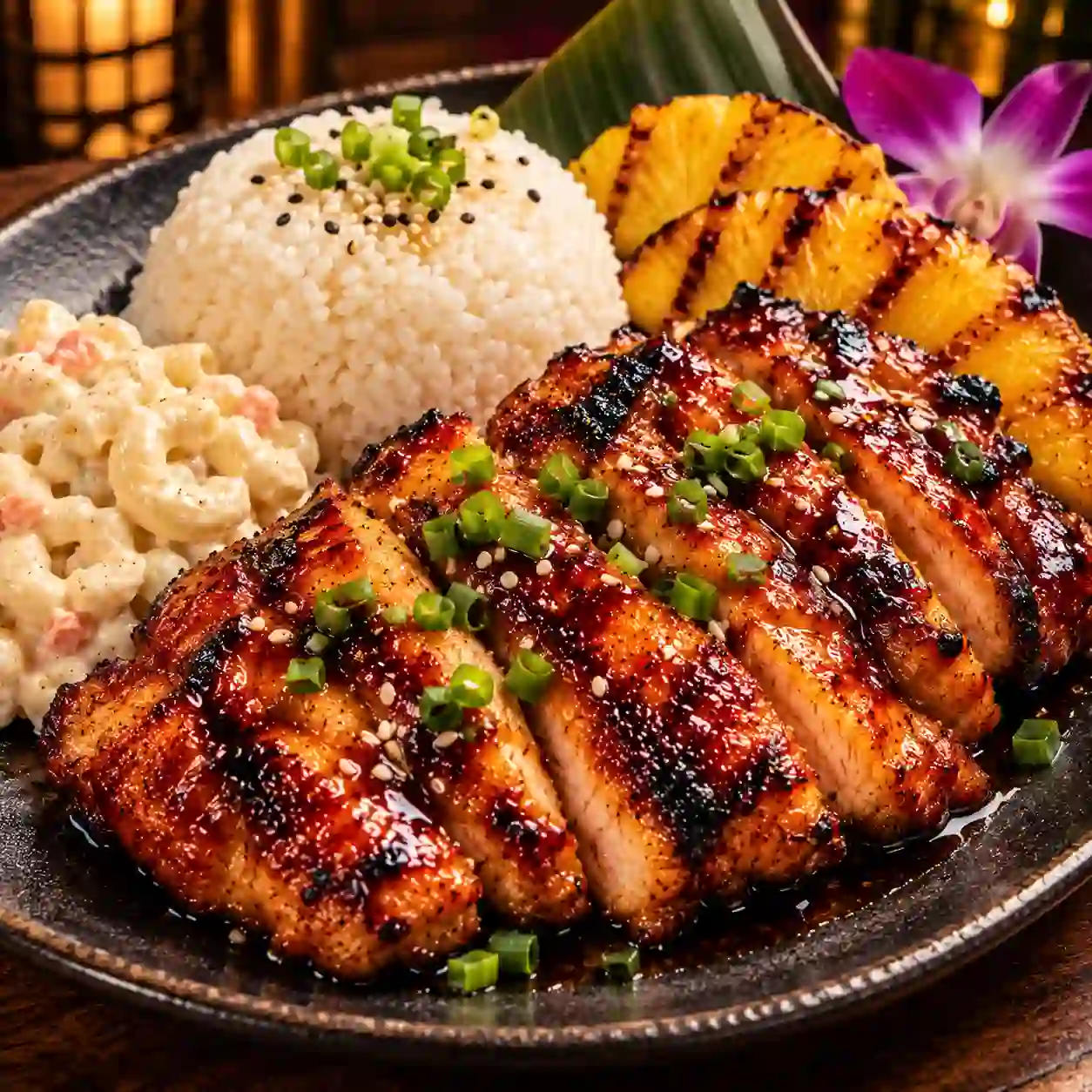
Huli Huli Chicken Recipe
Notes
Ingredients
- 2.5–3 lbs chicken thighs (bone in or boneless)
- ½ cup canned pineapple juice (not fresh)
- ½ cup light brown sugar
- ½ cup ketchup
- ⅔ cup soy sauce (low sodium if preferred)
- 2 tablespoons sherry or Chinese cooking wine (or chicken broth as a substitute)
- 1 tablespoon sesame oil (optional)
- 1 inch piece fresh ginger, crushed or grated
- 4–5 cloves garlic, crushed or minced
- Red pepper flakes or sriracha, to taste (optional)
Instructions
- Whisk together pineapple juice, brown sugar, ketchup, soy sauce, sherry, sesame oil, ginger, and garlic. Reserve about ⅓ to ½ of the mixture separately for basting; keep it away from raw chicken.
- Place chicken in a resealable bag or dish and pour remaining marinade over it. Refrigerate for at least 1 hour, up to 8 hours.
- Preheat grill to medium heat.
- Grill chicken, turning every few minutes, for about 20–25 minutes total, until nearly cooked through.
- During the last several minutes, baste repeatedly with the reserved marinade while continuing to turn the chicken.
- Cook until internal temperature reaches at least 165°F (170–175°F for a more tender result with thighs).
- Rest for 5 minutes before serving.
Notes
- Always use canned pineapple juice, not fresh, to avoid a mushy texture.
- Never reuse marinade that touched raw chicken reserve a separate portion before marinating.
- For an oven version, broil on a wire rack, turning and basting every 5 minutes until cooked through and caramelized.